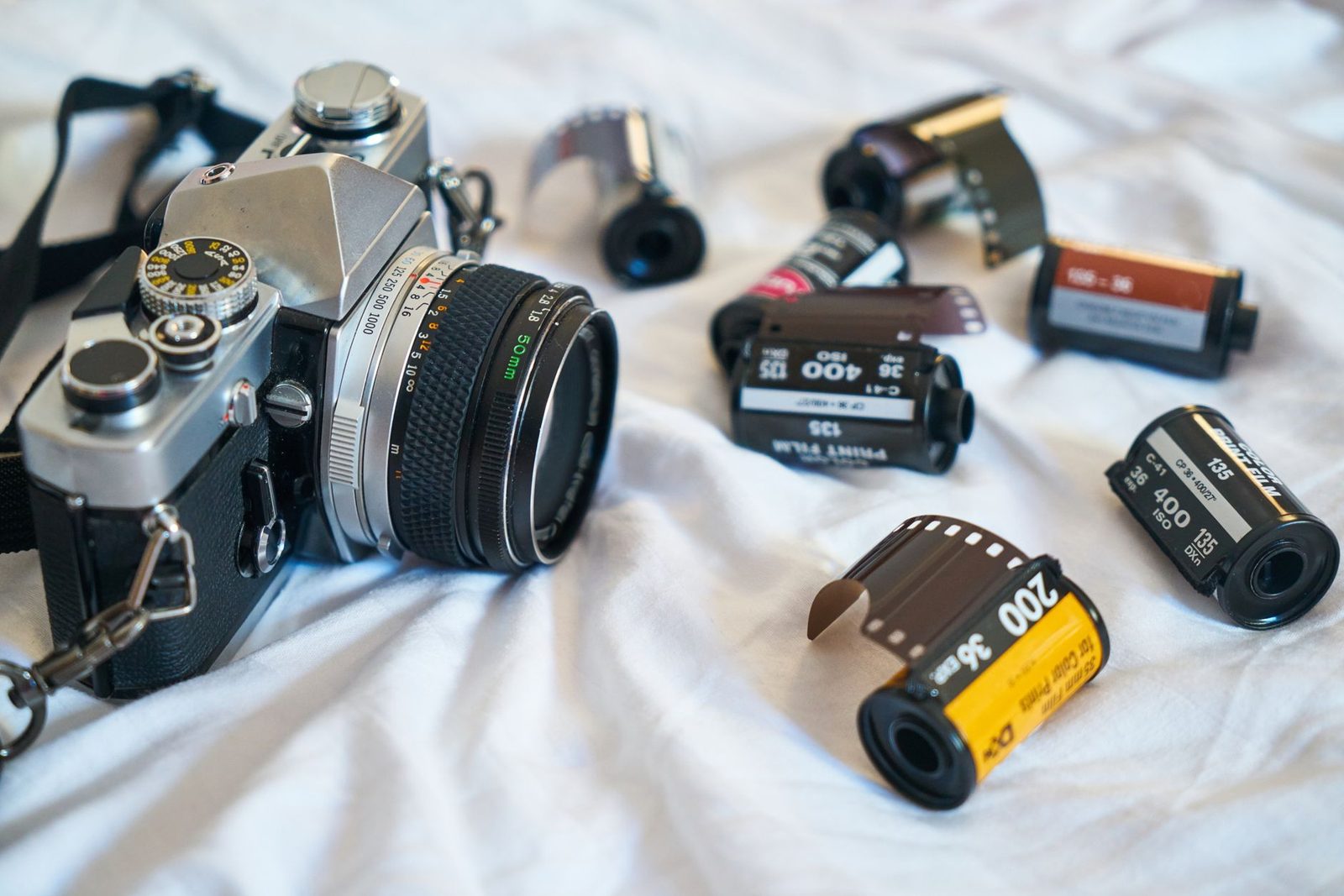
Animation frame rate is the number of individual images, or frames, shown every second to create the illusion of movement. Most feature films run at 24 frames per second, television often uses 30, and many video games push past 60. Each choice changes how motion feels to the eye, and each one carries real production costs.
The short answer to "what frame rate should animation use" is: it depends on the medium, the budget, and the mood the creators want. A slower frame rate can feel dreamy or cinematic. A faster one can feel sharp and almost too real. Neither is objectively better. They simply produce different viewing experiences.
This piece breaks down how frame rate actually works, why certain numbers became industry standards, and what animators and studios weigh when they pick one. Understanding this helps explain why your favorite cartoon looks different from a big-budget film, and why some video games feel smoother than others.
What Animation Frame Rate Actually Means

A frame is a single still picture. Play enough of them back to back, fast enough, and your brain stitches them into motion. This trick relies on a quirk of human vision: our eyes and brains blend rapid still images into a continuous flow. Scientists sometimes call this persistence of vision, though the full explanation involves more than just the eye holding onto an image. You can read a plain-language overview of the concept on the frame rate reference page maintained by Wikipedia's film and video contributors.
Frame rate is usually written as frames per second, or fps. A higher number means more images flash by every second. A lower number means fewer. Both hand-drawn cartoons and computer-generated films rely on this same basic math, even though the tools behind them differ wildly.
Here is the part that surprises many viewers: animators rarely draw a brand new image for every single frame. A technique called "on twos" repeats each drawing across two frames instead of one. This cuts the workload roughly in half while still looking smooth to most viewers. It is one reason traditional animation studios could produce full-length films decades ago without today's computing power.
Animation Frame Rate Standards Across Different Media
Different corners of the entertainment industry settled on different numbers, and each choice has a practical history behind it.
- 24fps became the standard for theatrical film in the early sound era. It was fast enough to fool the eye and slow enough to save money on film stock. Most animated features still use this rate, or a variation of it.
- 30fps (technically closer to 29.97 in older broadcast systems) grew out of television engineering standards in North America. Many TV cartoons and some anime series use this rate or a close variant.
- 60fps and higher rates dominate video games and some sports broadcasts. Fast motion, like a character running or a ball flying across a screen, looks clearer with more frames to work with.
- 12fps or lower shows up in budget-conscious or stylistically limited animation, including many classic anime productions, where studios stretched drawings across more frames to manage tight schedules.
These numbers are not arbitrary. Each one reflects a trade-off between smoothness, cost, and the technical limits of the equipment used to capture or display the image. A studio choosing an animation frame rate today is still weighing the same three factors, even though modern software has made the math easier.
How Frame Rate Shapes Motion and Viewer Perception

Frame rate does more than determine smoothness. It shapes the emotional tone of a scene.
Lower frame rates, like 24fps, tend to feel more cinematic. There is a slight, almost imperceptible choppiness to fast motion that many viewers now associate with "movie" quality, simply because they have watched films shot this way their entire lives. This is partly cultural conditioning rather than a hard rule of physics.
Higher frame rates, like 60fps, can feel hyper-real. Some viewers describe high-frame-rate footage as looking like a live stage play or a home video rather than a polished film. This reaction became widely discussed when certain blockbuster films experimented with frame rates above the traditional 24. Audiences did not universally love the change, even though the extra frames technically produced sharper, clearer motion.
For animation specifically, the interaction between frame rate and drawing style matters just as much as the number itself. An action sequence animated "on ones" (a new drawing for every frame) at 24fps can look more fluid than a sequence animated "on twos" at 30fps. The relationship between raw frame count and perceived smoothness is not perfectly linear, which is why animation frame rate decisions involve artistic judgment, not just technical specification.
Motion blur also plays a role here. Film cameras naturally blur fast-moving objects between frames, which softens the choppiness of low frame rates. Digital animation must simulate this blur artificially, or the motion can look stiff and unnatural even at a technically adequate frame rate.
Practical Steps for Choosing the Right Animation Frame Rate
Studios, indie animators, and even hobbyists face this decision early in production. A few practical steps can guide the choice.
- Match the platform's expectation. Content built for theatrical release generally benefits from the familiar 24fps look. Content built for competitive gaming or fast-action apps benefits from 60fps or higher.
- Budget for the workload. Higher frame rates require more drawings or more rendered frames, which raises production time and cost. This is one of the quieter economic pressures shaping animation studio decisions, much like supply and staffing pressures shape other creative industries.
- Test the motion, not just the number. A short test clip at two different frame rates often reveals more than a spreadsheet comparison. What feels smooth on paper can feel off once characters are actually moving.
- Consider the emotional target. Slower, more deliberate frame rates suit dramatic or classic-feeling stories. Faster rates suit energetic, sports-adjacent, or hyper-detailed action content.
What this means for viewers is simple: the "smoothness" of an animated show or film is a deliberate choice, not an accident or a technical limitation alone. Studios pick an animation frame rate the way a director picks a lens or a color palette. It is a storytelling tool as much as a technical spec. For readers curious about the deeper engineering history behind these standards, the persistence of vision explanation offers useful background on why any of this works at all in the human brain.
Key Takeaways
Animation frame rate is not just a technical footnote. It shapes how motion feels, how much a production costs, and how audiences emotionally connect with a scene. From the 24fps cinematic standard to the 60fps clarity of modern games, each rate reflects decades of engineering trade-offs and creative intent. Next time you notice a show looking unusually smooth or slightly choppy, you will know it was likely a deliberate decision, not a flaw.
For more context, read The Evolution of CGI Animation in Feature Films.
For more context, read streaming services.
For more context, read Rare Comic Book First Issues Worth Money.