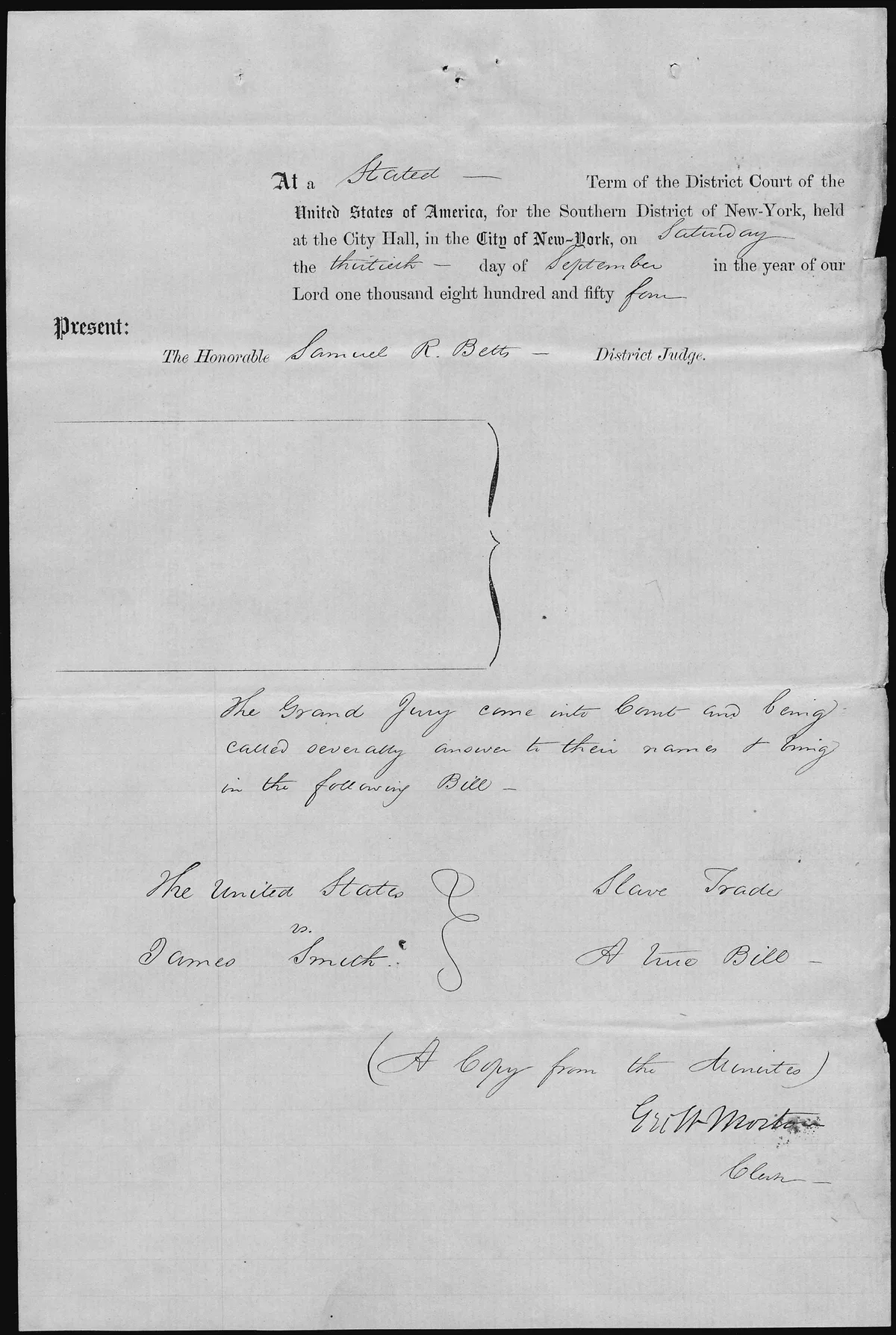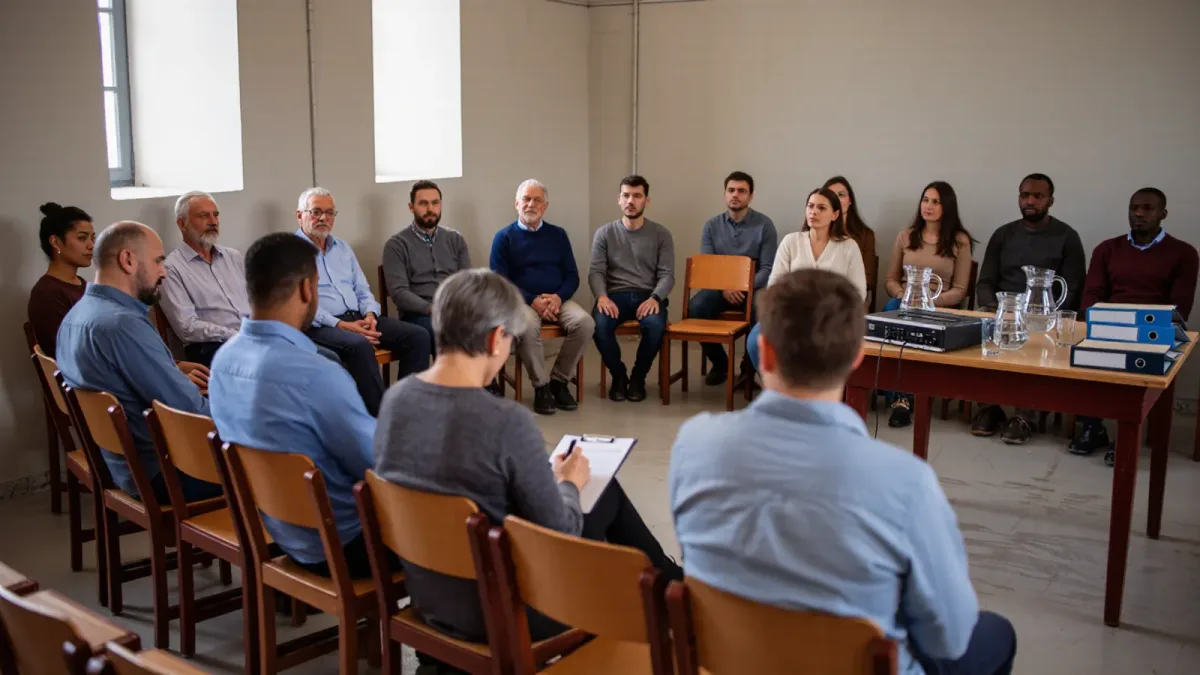
A federal grand jury is a group of 16 to 23 citizens, drawn from the community, who decide whether federal prosecutors may bring felony charges. The Fifth Amendment requires one for any infamous crime: no person may “be held to answer for a capital, or otherwise infamous crime, unless on a presentment or indictment of a Grand Jury.” Prosecutors present evidence; if at least 12 of the empaneled jurors vote that probable cause exists, the grand jury returns an indictment, and the case proceeds to arraignment and trial before a petit jury.
How does the process work day to day?
Grand jurors serve terms of 18 months, extendable to 24 — far longer than a trial jury — and hear case after case from the same prosecutor's office. Proceedings are one-sided by design: the prosecutor presents witnesses and exhibits; there is no judge in the room, no defense counsel, and no cross-examination. Targets and subjects may testify if invited, but outside the courtroom's protections: the witness's lawyer may not be present in the grand jury room — a witness must leave to consult counsel — and anything the witness says can be used against them, subject only to an immunity agreement. Grand jurors may ask questions and may request additional witnesses, though in practice the prosecutor shapes the docket.
Why is it secret — and who knows?
Rule 6(e) of the Federal Rules of Criminal Procedure binds prosecutors, jurors, and court personnel to secrecy, with sanctions for violations. The purposes are the ones courts recite: protecting the innocent accused from public accusation, preventing targets from fleeing or tampering, and protecting witnesses testifying before any charge exists. The practical exceptions: witnesses may generally disclose their own testimony, subject to obstruction and non-disclosure orders in some investigations; disclosures for judicial proceedings need court approval; and Congress has fought standing battles over 6(e) access, most prominently during the Iran-contra and Russia-investigation eras, when the Justice Department transmitted grand-jury material under negotiated procedures.
- Composition: 16–23 citizens, quorum of 16, 12 votes to indict.
- Standard: probable cause — far below trial's beyond-reasonable-doubt.
- Secrecy: Rule 6(e), one-sided presentation, no defense in the room.
Is it a rubber stamp?
The famous quip — a grand jury would indict a ham sandwich — is attributed to a New York judge, and the numbers behind it are real: grand juries return indictments in the overwhelming majority of cases presented to them, while the same bodies decline charges against police officers in state systems at rates critics contrast with ordinary cases. Defenders of the institution answer that the filter's looseness is by design: the Fifth Amendment's grand jury is a check on the prosecutor's charging power — the citizenry's signature on the accusation — not a trial. The modern critique runs deeper than statistics: because the defense is absent, a conscientious prosecutor must present exculpatory evidence voluntarily, an obligation the Justice Department's own rules impose but no court enforces through the grand jury itself. The courts' answer is that remedies come later — motions to dismiss, suppression, trial — not inside the secret room.
What comes out of a grand jury?
Indictments formally charging crimes, which become public at arraignment; subpoenas, which grand juries issue for documents and testimony, enforced through contempt; and, rarely in federal practice, presentments — accusations originating with the jury itself rather than prosecutors. Witnesses who refuse to testify after receiving immunity can be held in civil contempt for the jury's remaining term. For high-profile investigations, the grand jury's existence is itself news: its subpoenas map the investigation's direction long before any charge is filed.
LMH News publishes information, not legal advice. Procedure follows the Federal Rules of Criminal Procedure and Justice Department guidance as of June 2026.