Earnings season is the rolling month after each quarter's end when most of the S&P 500 reports results: a press release with headline numbers, a conference call where executives take analyst questions, and a formal filing with the Securities and Exchange Commission — the 10-Q each quarter and the audited 10-K annually. The ritual sets the market's short-term agenda — stock prices move as much on results versus expectations as on the results themselves, and analyst estimates published before the report define the beat or miss that headlines summarize.
What are the numbers everyone quotes?
Three per company. Revenue, the top line, and its growth rate; net income under generally accepted accounting principles; and adjusted or non-GAAP earnings per share, the company's own recalculation stripping out items management calls one-time — restructuring charges, stock compensation, acquisition costs. Non-GAAP figures legitimately isolate underlying operations and are the basis of most analyst models, but the adjustments are management's choice: companies exclude costs that recur suspiciously often, and the SEC's Regulation G requires reconciliation to GAAP precisely because the gap between the two measures has historically widened when times get tough.
What does guidance mean?
On the call, management gives forward guidance — revenue and margin expectations for coming quarters. Guidance matters more than the reported quarter because markets price the future: a company can beat last quarter's numbers and fall 10 percent on weak guidance, or miss and rise on a strong outlook. Calls follow a choreography: a prepared script, then a Q&A in which analysts probe the assumptions — pricing, volumes, costs, capital returns — and executives answer within disclosure rules that forbid selectively sharing material information outside public channels, the selective-disclosure prohibition of Regulation FD.
What is in a 10-K that is not in the press release?
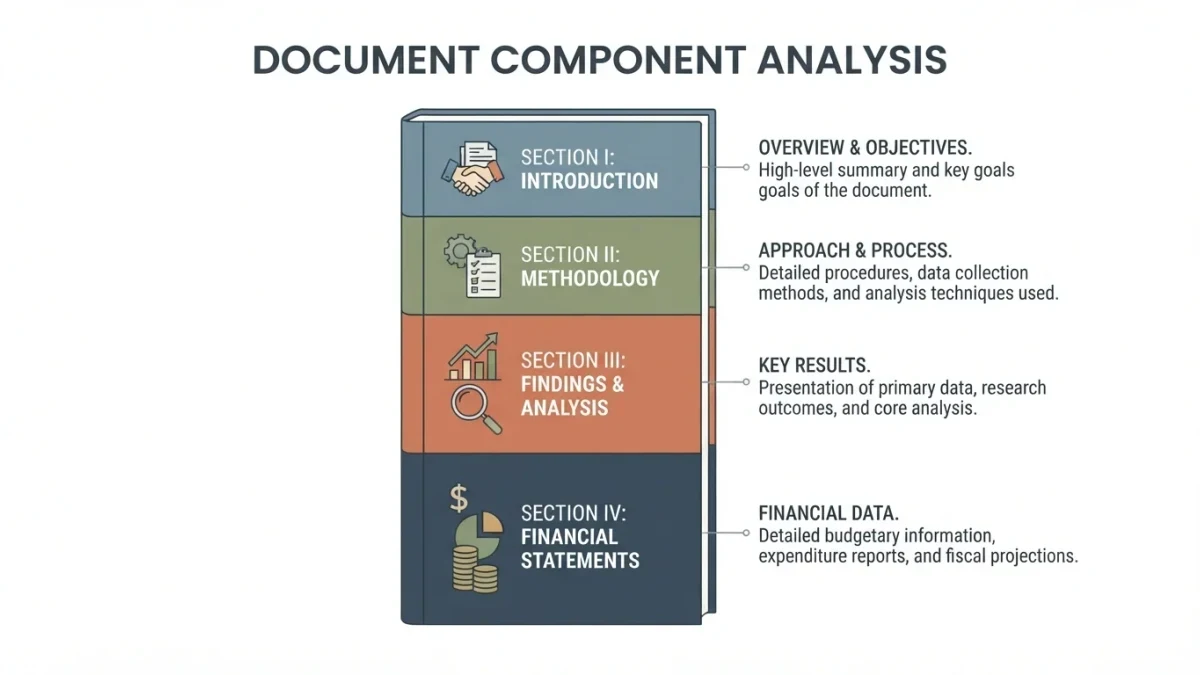
The annual report's standardized parts: the audited financial statements and — where careful readers go — the footnotes: revenue-recognition policy, debt maturities and covenants, pension assumptions, tax positions, litigation reserves, and segment detail. Two sections are prose: risk factors, the lawyer-vetted catalog of what could go wrong, read most usefully for what is added or reworded year to year; and management's discussion and analysis, management's explanation of why numbers moved. The auditor's opinion states whether the statements fairly present results under GAAP — a going-concern qualification is rare and serious. Insider-ownership and executive-pay tables round out the picture. For most investors the efficient read is not the whole document but its changes: new risk language, a shrinking cash balance against drawn credit lines, receivables growing faster than revenue.
- Press release: headline GAAP and adjusted figures.
- Call: guidance and Q&A under fair-disclosure rules.
- 10-K: audited statements, footnotes, risk factors, MD&A.
Why does the aggregate season matter?
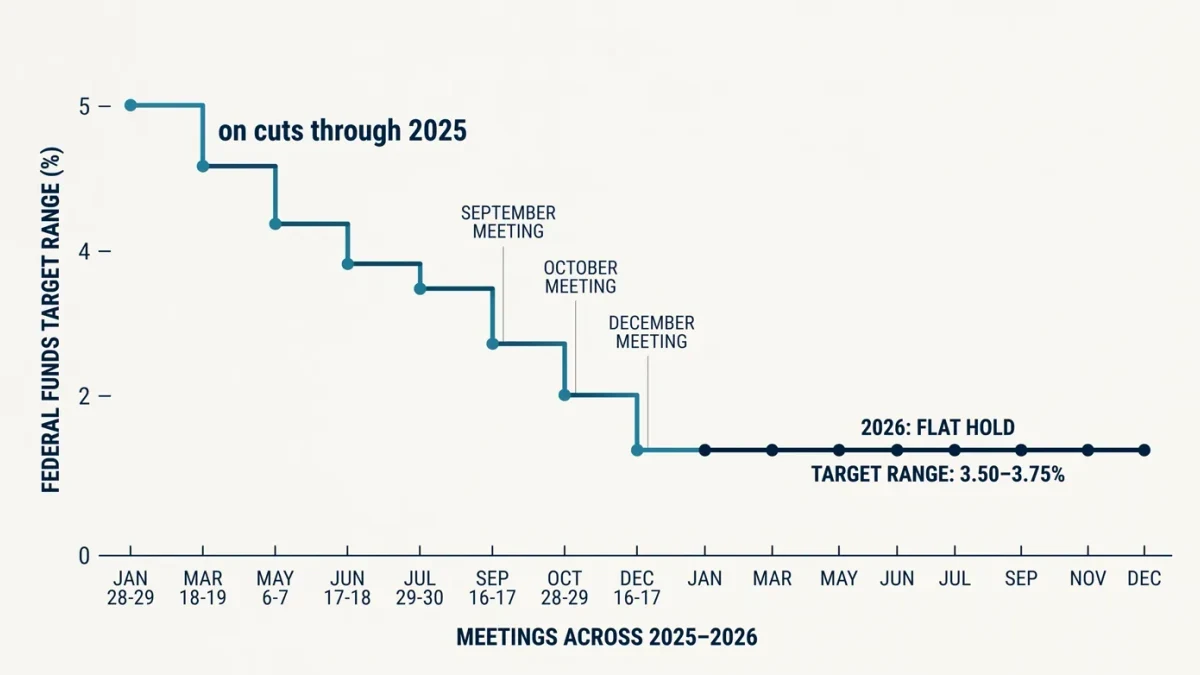
Because corporate earnings are the ultimate driver of long-run stock returns, and the season's tally — what share of companies beat estimates, aggregate profit growth, and above all forward guidance — is the market's periodic ground truth on the economy. Through 2026's first half, with the Fed holding its policy rate at 3.50 to 3.75 percent while inflation cooled, guidance commentary on consumer demand and input costs functioned as a live economic survey of thousands of firms, reported one conference call at a time.
LMH News publishes information, not investment advice. Disclosure mechanics follow SEC rules and standard reporting practice as of June 2026.