PAYGO — pay-as-you-go — is Congress's self-imposed rule that tax cuts and entitlement expansions must not add to the deficit over set windows. It exists in two forms: statutory PAYGO, written into the 2010 Statutory Pay-As-You-Go Act, which scores cumulative deficit effects and triggers across-the-board sequestration cuts if the ledger goes negative; and chamber PAYGO, a rule of the House or Senate for a given Congress that lets any member raise a point of order against legislation increasing the deficit. Both are waivable — statutory PAYGO by later legislation, chamber rules by majority vote or special rules — which is why the rules function less as binding law than as a price tag and a chokepoint.
How does statutory PAYGO work?
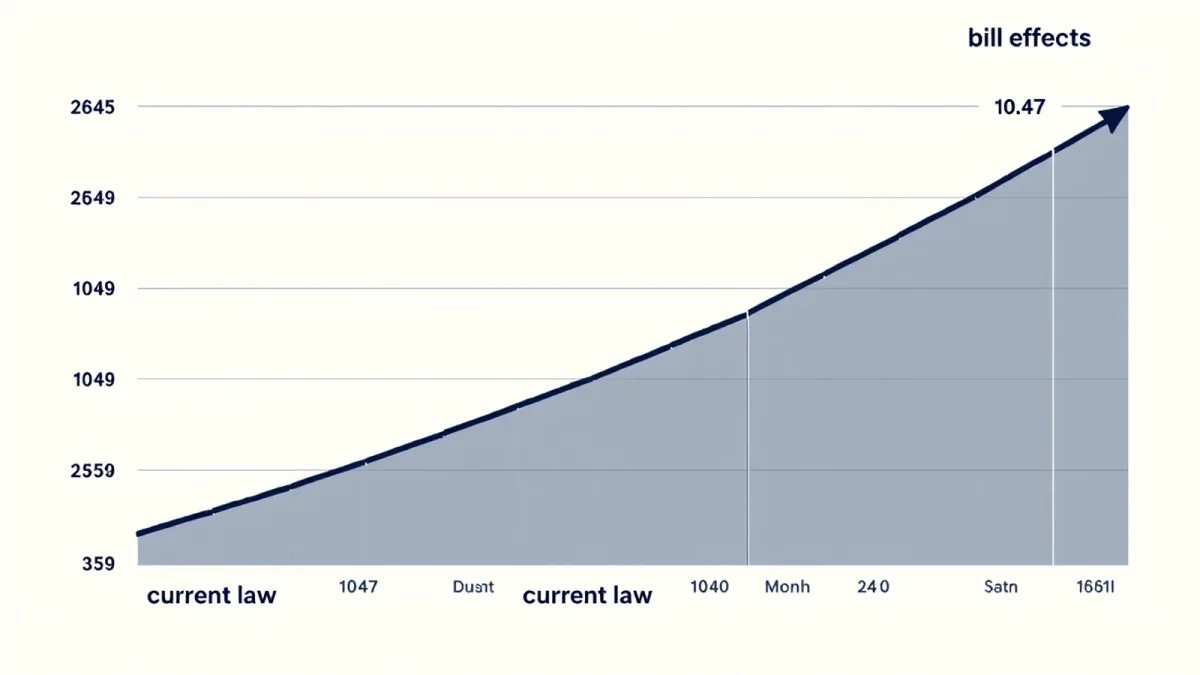
The Office of Management and Budget keeps a running scorecard: laws reducing revenue or increasing mandatory spending get debit entries; laws raising revenue or cutting mandatory spending get credits. If at the end of a session the net is negative, OMB orders sequestration — uniform percentage cuts to Medicare, farm programs, and other non-exempt mandatory spending — to erase the shortfall. In practice the guillotine rarely falls: Congress has repeatedly passed zeroing-out bills to wipe accumulated debits, most recently for the scorecards built up by the 2017 and 2025 tax laws, and Social Security, most veterans programs, and interest are exempt. The 2021 and 2025 exercises showed the pattern: debit run-up, then a waiver bill signed quietly at year-end.
What are the House's other budget rules?
Each Congress adopts its rules package, and the House's standing constraints include: CUTGO analogs in some Congresses requiring spending cuts to offset entitlement increases; House Rule XXI points of order against unfunded mandates and against legislation reauthorizing programs at higher levels without offsets; and the separate orders from the Budget Committee reserving floor time. The most consequential modern device was the discretionary spending caps and sequestration of the 2011 Budget Control Act — statutory caps that bound appropriations for a decade, eroded by later deals, and expired in 2021, replaced since by ad hoc negotiated toplines in each appropriations cycle, including the fiscal 2026 fights that produced the January and February–April 2026 lapses.
- Statutory PAYGO: OMB scorecard, year-end sequestration if negative — routinely zeroed out.
- Chamber PAYGO: point of order against deficit-increasing bills — waivable by majority.
- BCA caps: 2011–2021 discretionary ceilings, now expired into negotiated toplines.
Why keep rules that get waived?
Because the waiver is the point politically: a PAYGO point of order forces the majority to assemble votes to break its own rule, on the record, or to find offsets. Rules create the accounting that makes deficits visible at the bill level — CBO scores every reported bill — and give fiscal hawks inside the majority a lever to extract concessions. The pattern critics note — rules adopted in rhetoric, waived in practice — is real, per the Committee for a Responsible Federal Budget's tracking, but the counterfactual without rules is fewer recorded votes on cost, not more discipline. The current Congress's rules package, adopted in January 2025, retained chamber PAYGO in modified form, and the debate over the 2025 tax law's PAYGO treatment previewed the perennial fight: enforcement for the minority's bills, waivers for the majority's.
What is the difference between PAYGO and the debt limit?
PAYGO operates prospectively on new legislation; the debt limit authorizes borrowing for spending Congress has already enacted. A Congress can satisfy PAYGO perfectly and still need a debt-limit increase because past laws, not new ones, drive the borrowing — which is why debt-limit standoffs, unlike PAYGO waivers, threaten default rather than a rule point.
LMH News publishes information, not political advice. Rules described follow the Statutory Pay-As-You-Go Act and the current House rules package as of June 2026.