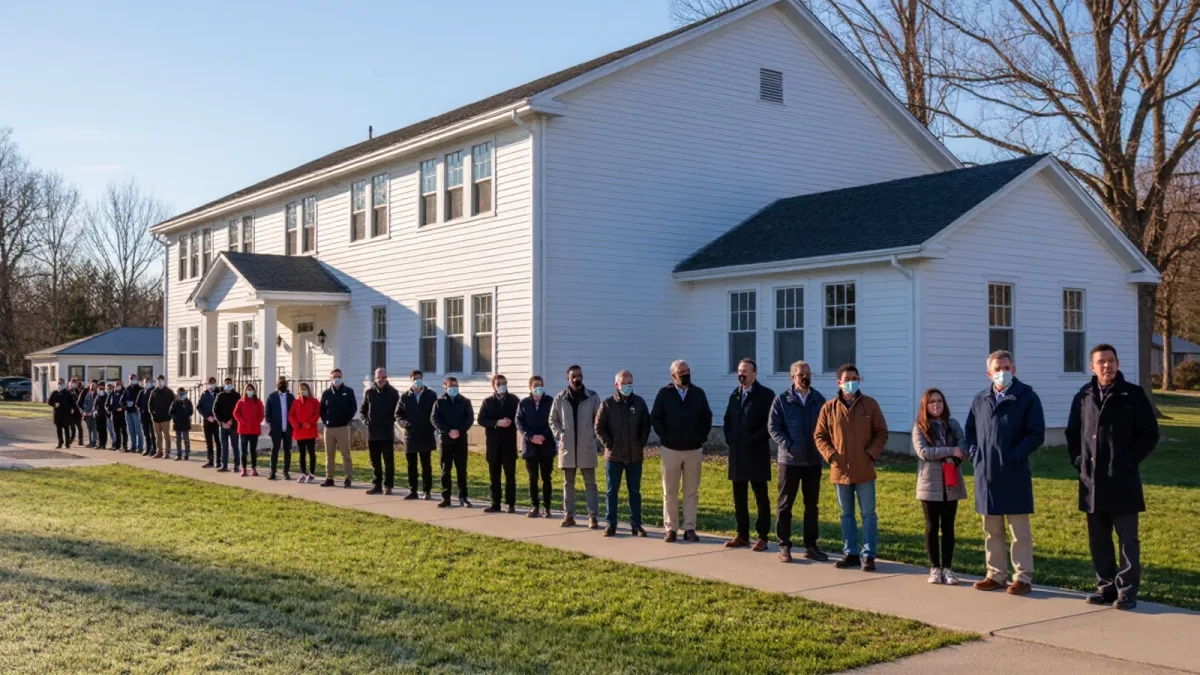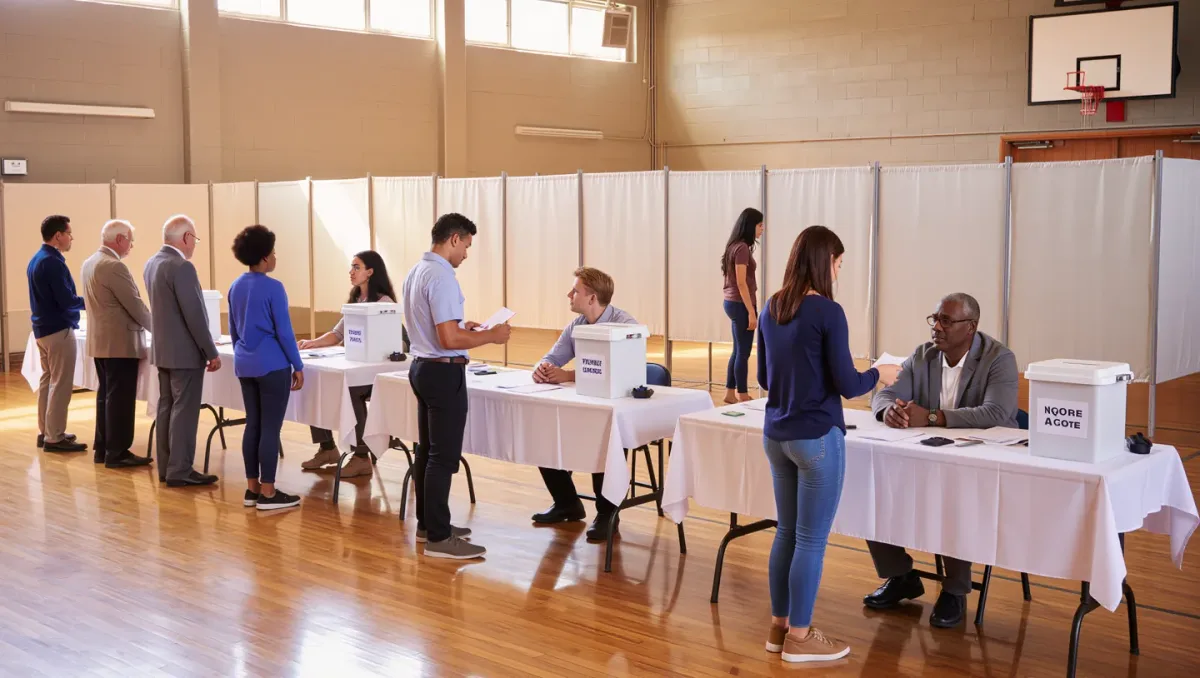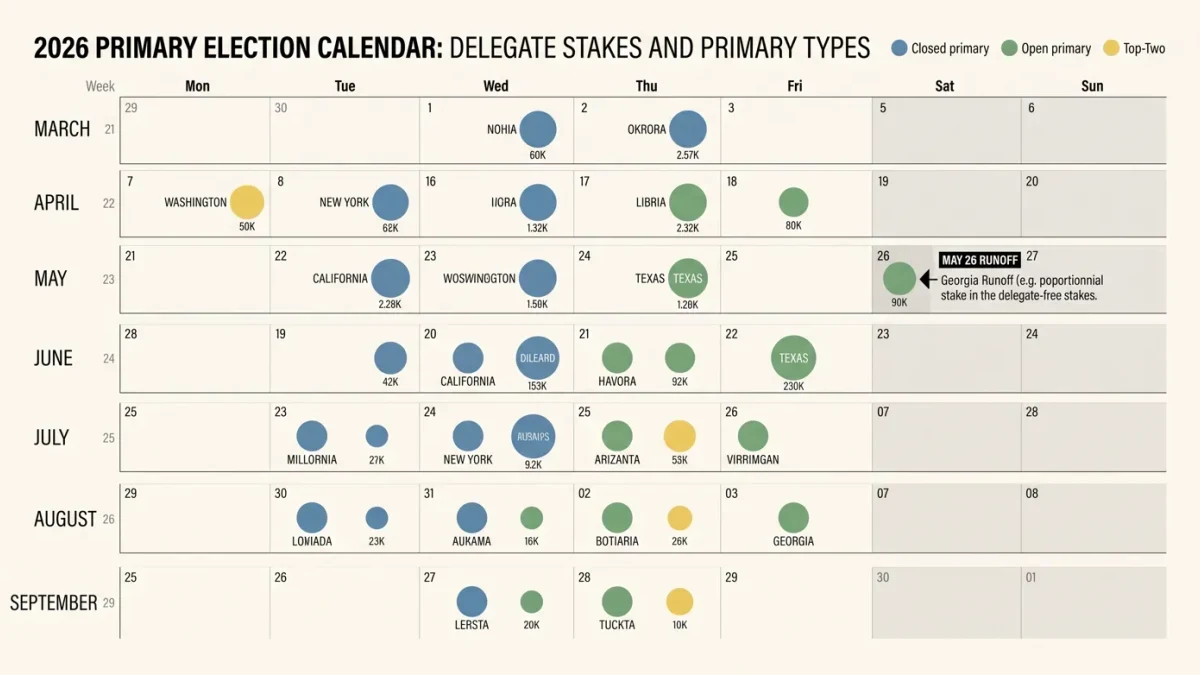
The 2026 primary season opened March 3 in Texas, North Carolina, and Arkansas and runs into mid-September, with each state setting its own date, threshold, and rules for choosing the major-party nominees who will meet in the November 3 general election. There is no national primary: the calendar is a patchwork of 50 state laws, plus different formats — closed primaries restricted to party registrants, open primaries any voter may enter, and top-two systems where all candidates run on one ballot regardless of party.
When does each cluster of states vote?
The calendar builds in waves, per each secretary of state's published dates. March carried the first block — the March 3 states, then Illinois, Ohio, West Virginia, and Florida before month's end. April and May hold the mid-south and plains contests, with the Texas and Oklahoma runoffs on May 26. June is the biggest month: California and New Jersey on June 2, followed by roughly a dozen states including Nevada, Maine, and South Dakota, closing with New York and Colorado later in the month. August brings the northwest and New England tails — Tennessee, Alaska, Wyoming, Hawaii — and the last filings resolve in September, when Delaware traditionally closes the season. Runoff states add second rounds: Texas, Georgia, and Oklahoma require winners to clear 50 percent or meet again weeks later.
Why do primary formats differ so much?
Party nominating rules are state business under state law, subject to party consent. In closed-primary states like New York and Florida, only voters registered with a party may choose its nominees — independent voters, now a larger group than either party's registrants in many states, are excluded. Open-primary states like Texas and Virginia let any voter choose one party's ballot on election day. Two states use top-two formats — California and Washington — where all candidates appear on a single primary ballot and the top two advance regardless of party, which can produce two candidates from the same party in November. Nebraska and Alaska use variants with instant runoffs at the general election.
- Closed primary: party registrants only.
- Open primary: any voter picks one party's ballot.
- Top-two jungle primary: all candidates, one ballot, top two advance.
What is at stake in the timing?
Early states set narratives and donor decisions — a strong March showing in Texas or North Carolina can clear a field before 80 percent of states have voted. Late states matter most in years when nominations remain contested; in 2026, with an open governor's race in California and 35 Senate seats in play, the June 2 mega-state primaries will finalize many of the highest-profile matchups. The calendar also interacts with redistricting litigation: court-drawn maps in several states moved filing deadlines, and any mid-cycle redraw scrambles which primary voters cast ballots under which districts — a recurring feature since the 2020 census round of mapmaking.
How do voters actually navigate it?
Registration deadlines precede primaries by roughly two to four weeks, and several states now hold automatic registration at motor-vehicle agencies. Early in-person voting and no-excuse absentee voting expanded after 2020, meaning “primary day” is now often the end of a multi-week voting window — in Texas, early voting ran through February 27 ahead of the March 3 primary. Voters can find their state's dates and rules on their secretary of state's election page.
LMH News publishes information, not political advice. Dates reflect official state calendars as of March 2026.