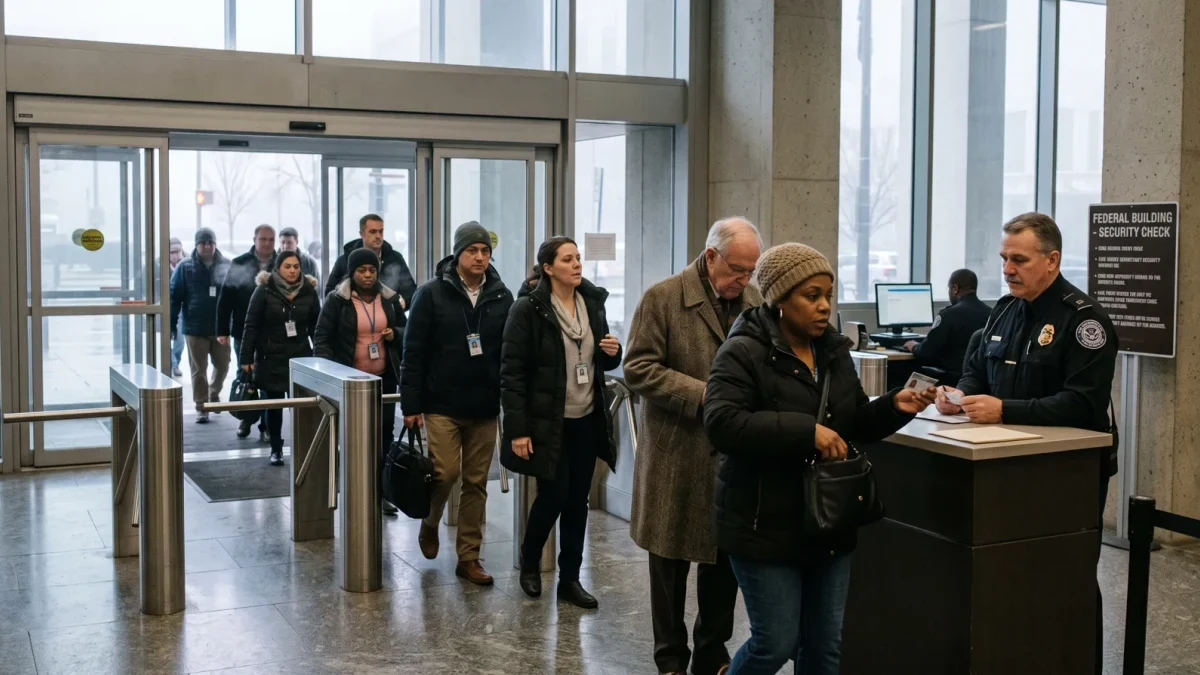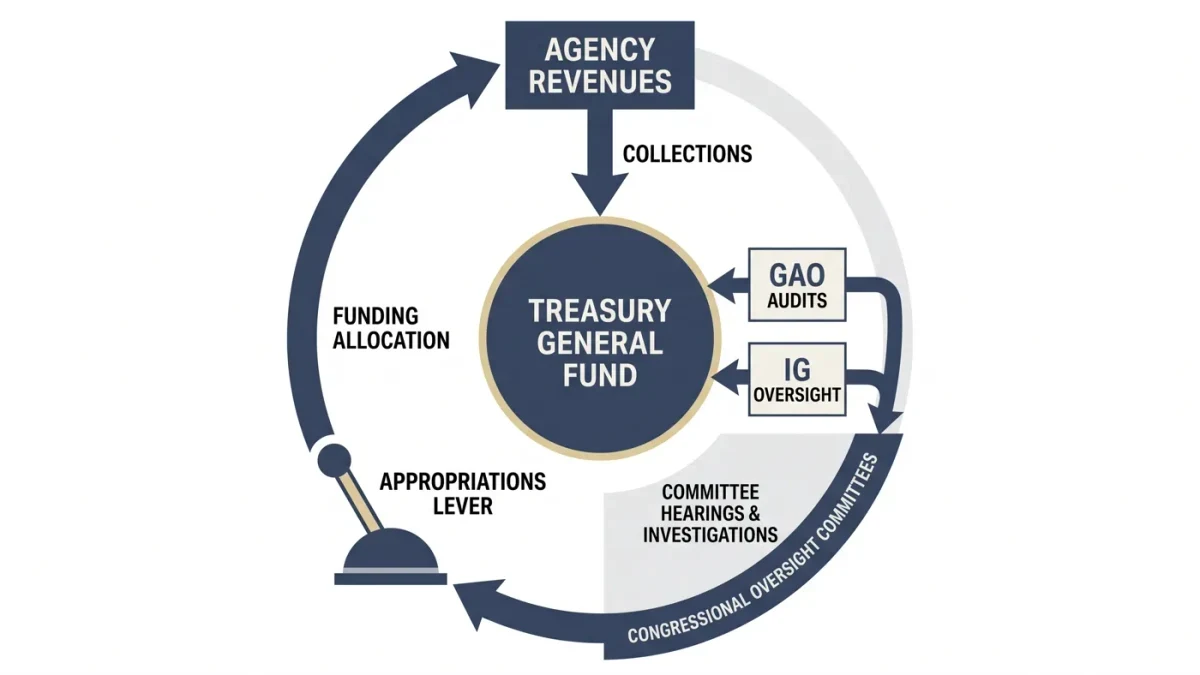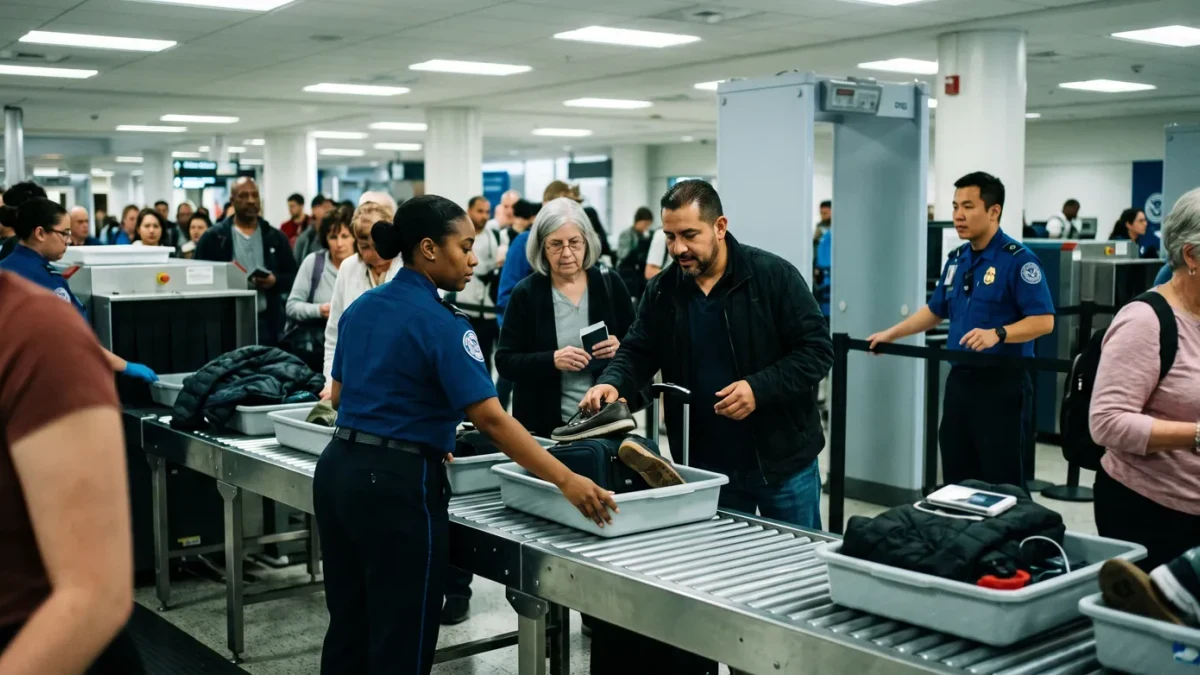
The 76-day partial shutdown of the Department of Homeland Security ended April 30, 2026, when the House passed — by voice vote, without a recorded roll call — a Senate bill funding every component of the department except Immigration and Customs Enforcement and Border Patrol, whose earlier enacted funding continues. The Senate had cleared the same measure by voice vote on March 27, and after a month of House resistance, leaders in both parties accepted it; the president signed it the same day, per the bill's public record.
How was the standoff broken?
The structure of the deal separated the department's operations from the political dispute. Democrats had refused to fund DHS while pressing for enforcement-oversight provisions — body cameras and judicial-warrant limits for certain arrests — after a January 24 CBP shooting of a U.S. citizen; Republicans had refused riders and the president had said he would not negotiate a broader immigration agreement until his election-integrity legislation passed. The Senate's March 27 bill cut the knot: it funded the department minus the two enforcement agencies at the dispute's center, leaving their existing funding untouched, so neither side conceded policy while the lapsed components reopened. House leaders held the bill for a month before allowing the voice vote, a procedural route that let members avoid a recorded position.
What happens to the unfunded pieces?
ICE and Border Patrol continue operating under their previously enacted appropriations, so enforcement activity is unaffected on paper. The reopened components — TSA, the Coast Guard's civilian workforce, FEMA's non-disaster programs, and the E-Verify system suspended since February — resumed normal funding with retroactive pay for employees required to work through the lapse. The oversight questions at the heart of the dispute are unresolved: body-camera and warrant provisions remain bills in committee, and the January shooting remains under the existing investigative processes.
What is the political and procedural aftermath?
The episode is the second-longest funding lapse in modern history after the 35-day 2018–19 shutdown measured by calendar scope, though it affected a single department. Both parties claimed vindication — Republicans noted enforcement funding continued throughout; Democrats noted the final bill excluded the contested agencies from new money until oversight talks advance. Procedure watchers flagged the voice-vote route: a major appropriations measure clearing the chamber without members' positions recorded is rare, and reform advocates in both parties said the episode will feed pressure to change automatic-shutdown rules, including proposals for continuing resolutions that hold spending flat if negotiations fail. The fiscal-year 2027 appropriations cycle begins with October's new fiscal year, giving Congress five months before the next deadline set.
LMH News publishes information, not political advice. Facts are drawn from the public bill record and each party's on-record statements.