Policy
What the Congressional Review Act Actually Does
The 1996 law lets Congress kill a recently finalized regulation with majority-only resolution — a power used mostly at the start of new presidencies.
Henrik Larsen · March 31, 2026
Policy follows measures from proposal to the day they bind: drafting, consultation, amendment, implementation and review. Coverage centers on taxation, public spending, trade rules, and sector regulation, with fiscal cost and effective dates given. Intended for advisers, compliance staff and executives who must plan against rules not yet final.
The 1996 law lets Congress kill a recently finalized regulation with majority-only resolution — a power used mostly at the start of new presidencies.
Henrik Larsen · March 31, 2026The Senate's nonpartisan rules referee decides what fits inside a reconciliation bill — and her advice has reshaped major laws without ever facing a vote.
Valentina Sokolov · February 23, 2026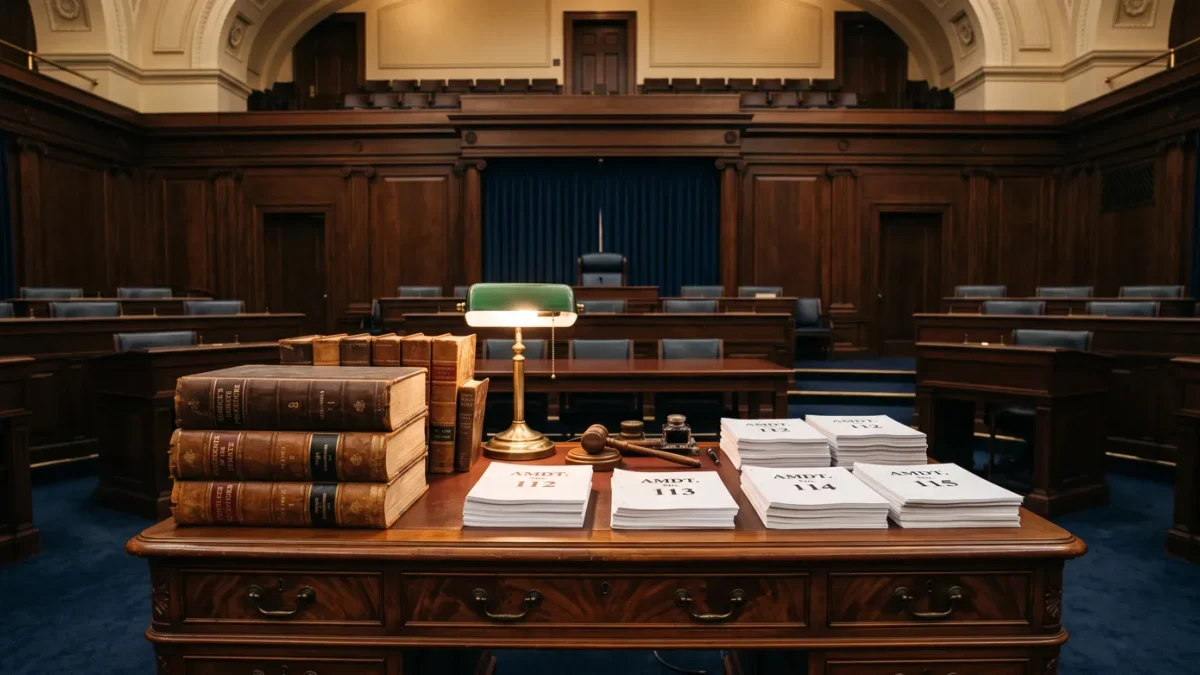
Every major federal regulation passes through the Administrative Procedure Act's notice-and-comment gauntlet, from proposed rule to final rule to judicial review.
Valentina Sokolov · January 26, 2026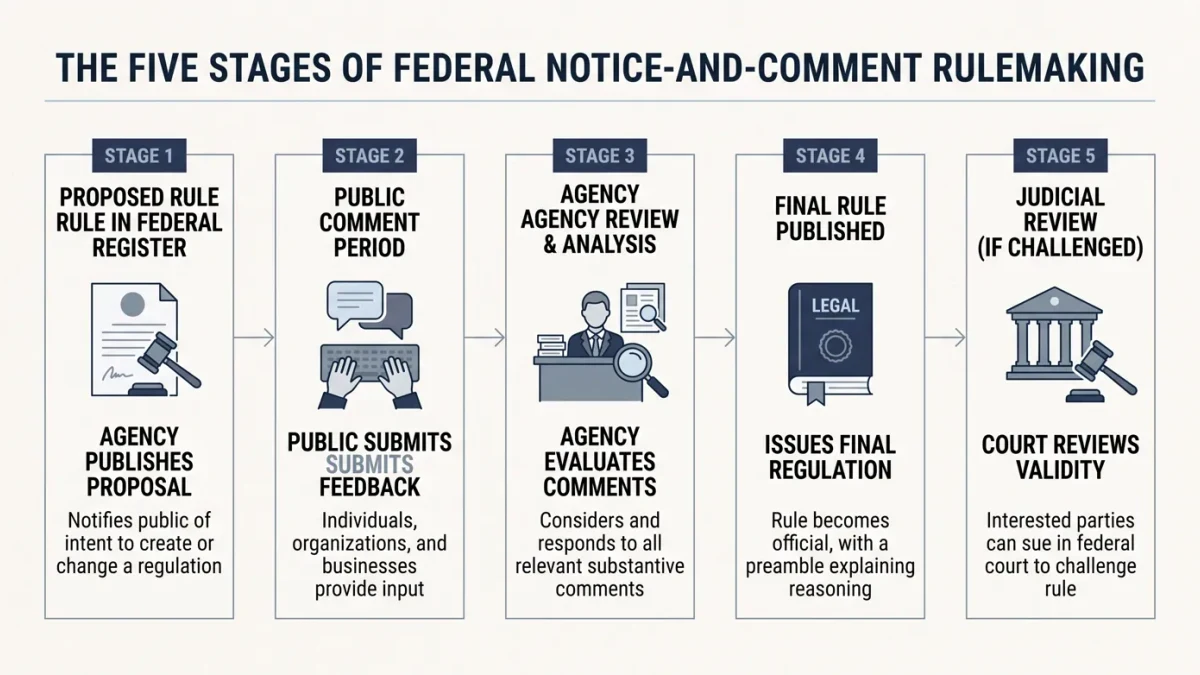
Budget reconciliation lets a simple Senate majority move tax and spending changes while bypassing the 60-vote filibuster, but only inside strict procedural limits.
Henrik Larsen · December 30, 2025