The Senate parliamentarian is the chamber's nonpartisan adviser on its rules and precedents, and the officeholder's most consequential modern power is ruling on what may stay inside a budget reconciliation bill — the 51-vote vehicle for tax and spending law. The current parliamentarian, Elizabeth MacDonough, has held the job since 2012, appointed by then–Majority Leader Harry Reid after serving in the office since 1999. Her rulings during the 2017, 2021, and 2025 reconciliation fights removed minimum-wage increases, immigration provisions, and drug-pricing measures from bills that had no room for a 60-vote backup, per Senate floor records.
Where does the job come from?
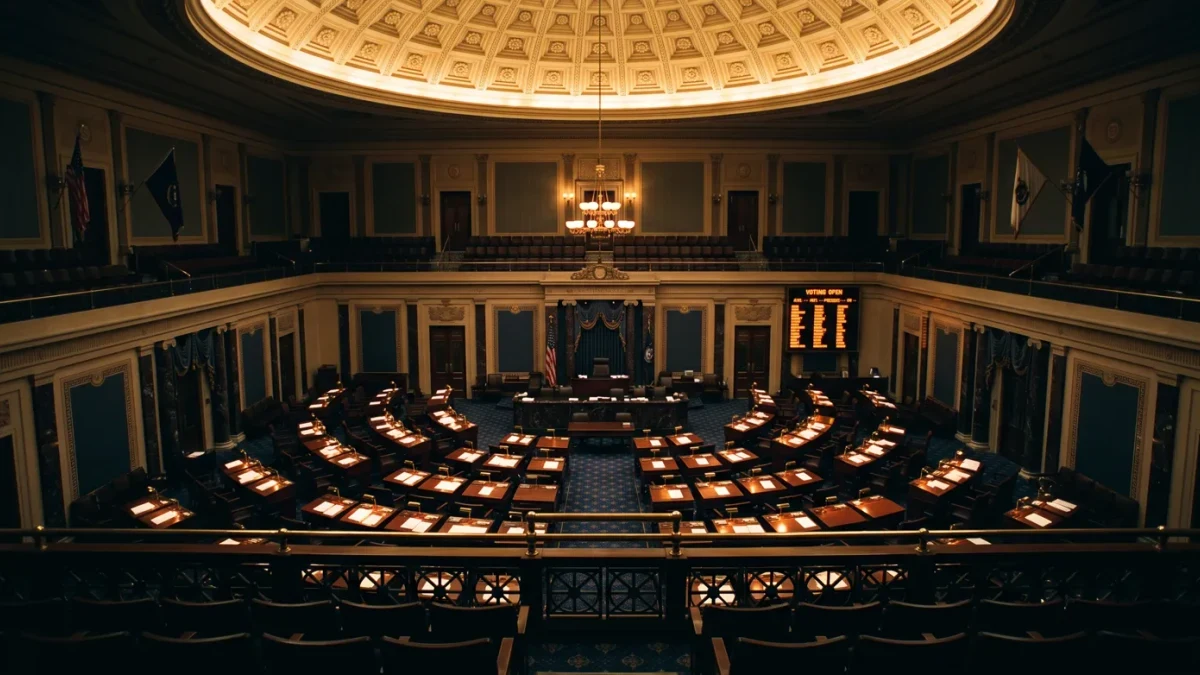
The office dates to 1935, when the Senate first hired a professional to keep its precedents — the accumulated rulings of presiding officers that function as parliamentary common law. The parliamentarian sits at the front of the chamber during session, advises the presiding officer in real time on germaneness, amendments, and points of order, and manages the Senate's precedent books. The office is deliberately nonpartisan: parliamentarians have served under both parties for decades, and each majority reappoints the incumbent as a matter of practice — MacDonough has now been reappointed by both parties' leaders.
How does the Byrd-rule gatekeeping work?
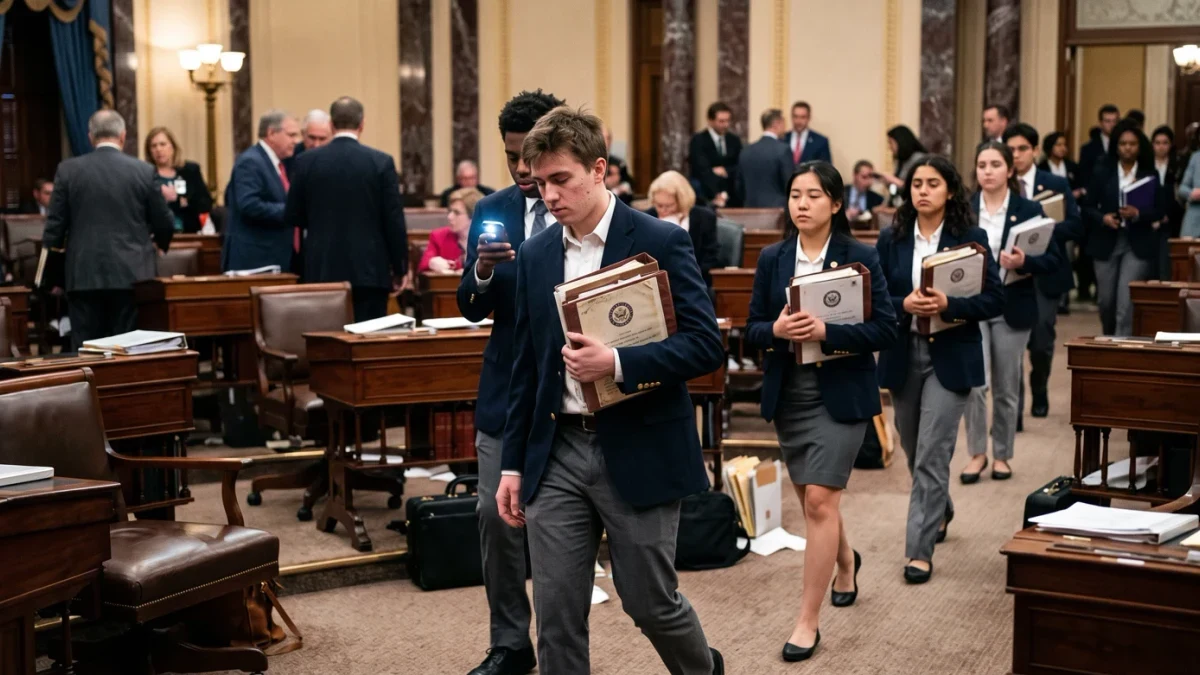
During reconciliation, any senator may raise a point of order that a provision is extraneous under the Byrd rule — because it does not change spending or revenue, touches Social Security, or is merely incidental in its budget effect. The parliamentarian then advises the presiding officer on whether the point is well taken. The practical sequence is the “Byrd bath”: before floor action, staff from both parties walk the parliamentarian through every contested provision in private sessions, and her determinations shape the bill that reaches the floor, because a sustained point of order strips the provision with no path to restore it short of 60 votes.
- Committees draft a reconciliation bill under the budget resolution's instructions.
- Before floor debate, both parties' staff argue contested provisions in Byrd-bath sessions.
- The parliamentarian advises the presiding officer; stricken provisions come out.
- During 20 hours of debate, senators may raise further points of order on pending text.
Can the majority just overrule her?
Yes, technically — the presiding officer's rulings can be overridden by a simple majority vote, and the presiding officer may ignore the parliamentarian's advice. In 1975, Majority Leader Mike Mansfield and his Republican counterpart overruled two successive parliamentarians to change cloture precedent by simple majority. But both modern parties have treated the office as a firewall: overruling it to score a policy win would invite the other party to do the same on any future question, dissolving the Senate's procedural equilibrium. That norm held in 2021, when progressive senators publicly urged firing MacDonough after she ruled a $15 minimum wage could not ride in the COVID relief reconciliation bill; the majority kept her and dropped the wage provision.
Why an unelected official shapes trillion-dollar laws?
Because reconciliation is the only major legislative vehicle that bypasses the filibuster, every provision denied 60-vote protection must pass the parliamentarian's Byrd-rule screen — so a staff adviser effectively decides the boundary between fiscal policy, which needs 51 votes, and everything else, which needs 60. In 2025, that meant provisions on immigration enforcement and Medicaid work programs were trimmed or restructured to fit her rulings before floor votes. Critics across the political spectrum have called the arrangement undemocratic in both directions — too much power for an unelected referee, or the last procedural brake on bare-majority lawmaking. Both criticisms are really about the filibuster architecture the office sits inside.
LMH News publishes information, not political advice. Procedural history follows Senate records and published precedents as of February 2026.