Politics is the contest: elections, coalitions, floor fights, and the arguments over who should hold power and what the government should do. Policy is the outcome: the rules, procedures, and statements of intent that government actually adopts and operates under. The two are linked but not the same, and the difference matters most when a loud political fight ends in a quiet technical rule.
The distinction is easy to lose in coverage that treats every dispute as a win or a loss. A bill can pass after months of political drama and still change almost nothing, because its policy — the operative language, thresholds, and enforcement — was hollowed out or left to agencies to define. Conversely, a rule few people debate can reshape behavior for years. The fight gets headlines; the fine print gets results.
What is policy, exactly?
According to Wikipedia's overview of policy, a policy is a deliberate system of guidelines to guide decisions and achieve rational outcomes — a statement of intent implemented as a procedure or protocol. In government, policies take the form of laws, regulations, procedures, administrative actions, incentives, and voluntary practices. The same source draws a useful line: law can compel or prohibit behavior, while policy guides actions toward outcomes considered most likely to achieve a goal.
That definition covers more than statutes. A presidential executive order, a corporate privacy policy, and parliamentary rules of order are all policy. So is the tax credit that nudges a consumer toward one car over another. Policies are also dynamic, not static: the words on paper have to be implemented, and implementation often produces unexpected results that differ from the stated intent.
What is politics, and how does it differ?
Politics is the process by which a community decides who governs and what the government should pursue. It includes campaigns, party competition, legislative bargaining, and public debate. Where policy is a course of action, politics is the contest over which course of action gets adopted — and by whom.
The two run on different clocks and reward different behavior. Politics rewards clear positions, visible wins, and coalition-building. Policy rewards precision: definitions, thresholds, compliance timelines, and enforcement mechanisms. A politician can succeed by stating a goal in a speech. A policy succeeds only if the operating rules actually move behavior toward that goal, which is why the same promise can produce very different policies depending on who drafts the operative text.
Why does the fine print matter more than the fight?
Because policy is where intent meets machinery. A headline fight might settle that a program exists, but the policy determines who qualifies, how much they receive, and what happens when someone breaks the rules. Change a single definition — who counts as eligible, what counts as income, when a deadline falls — and the real-world effect can shift more than any announced goal would suggest.
Policy also carries side effects. As the Wikipedia source notes, policies frequently have unintended consequences because they operate on complex systems: a tax increase meant to raise revenue can, at some rates, reduce revenue by changing behavior. The formulation process is supposed to anticipate these effects, but anticipation is imperfect. That is why analysts read the operative text rather than the press release.
Our analysis: readers who want to know what a law will actually do should look past the vote margin and toward three things — the definitions section, the funding level, and who is given enforcement authority. Those details, not the floor speech, decide the winners and losers.
How does politics shape policy in practice?
Politics shapes policy at every stage: which problems reach the agenda, which proposals get drafted, which version clears a committee, and which compromises are attached to win the final votes. The bargaining is visible; the drafting is usually not. Interest groups and agency specialists often supply the operative language, which is why two bills with similar stated goals can contain very different mechanisms.
Procedures translate political power into policy. Fast-track budget procedures, agency rulemaking, and parliamentary rulings all determine what is possible at a given moment. Readers who want the mechanics can see how budget reconciliation works in the Senate or what the Senate parliamentarian actually does, and how federal rulemaking works through the notice-and-comment process. Each is a channel through which political decisions become binding policy text.
Where do the two collide?
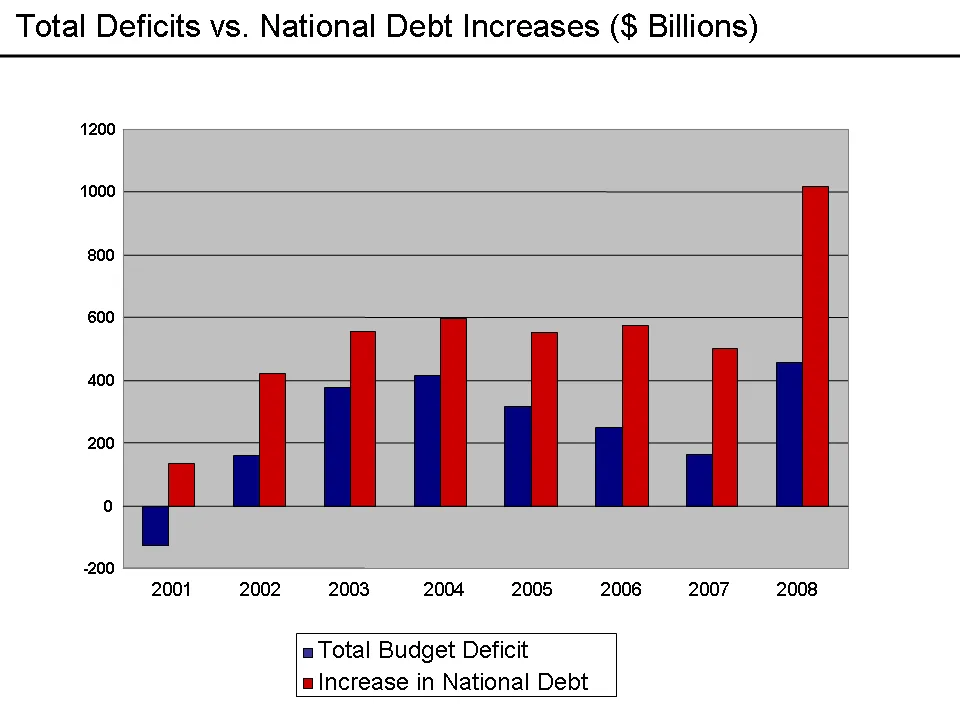
The clearest collisions happen when policy constraints bind politicians. A government shutdown fight is political theater built on top of a policy instrument: the continuing resolution that keeps agencies funded. The deadline, the funding levels, and the expiration date are policy; the standoff is politics. Similarly, the debt limit is a legal ceiling, while the debate over raising it is political — a distinction covered in our explainer on the debt ceiling versus the deficit.
Another collision is expertise versus accountability. Policy design benefits from technical detail that voters rarely see; politics demands positions that voters can judge. A proposal can be politically popular and poorly designed, or well designed and politically impossible. Neither fact cancels the other, and honest coverage tracks both.
What this means for readers
Practical steps: when a policy debate dominates the news, ask three questions. First, what is the operative mechanism — a tax, a benefit, a prohibition, a procedure? Second, who implements it and with what resources? Third, what would count as evidence that it worked? Those questions separate the politics of a proposal from its policy content.
It also helps to read across the policy sections of this site with the distinction in mind. Explainers on the federal budget timeline, SNAP work requirements, and the estate tax describe policy mechanisms. Coverage of floor votes and party statements describes politics. The two feeds look different on purpose, because the subjects are different — even though every policy on the books arrived there through politics, and every political fight is, at bottom, an argument about policy.
The takeaway is modest but useful. The numbers do not support treating every political battle as the story's ending. The fight decides whether something becomes policy. The policy decides what actually happens next.