Topic
Deficit vs. Debt: What Each Term Means and Why the Difference Matters
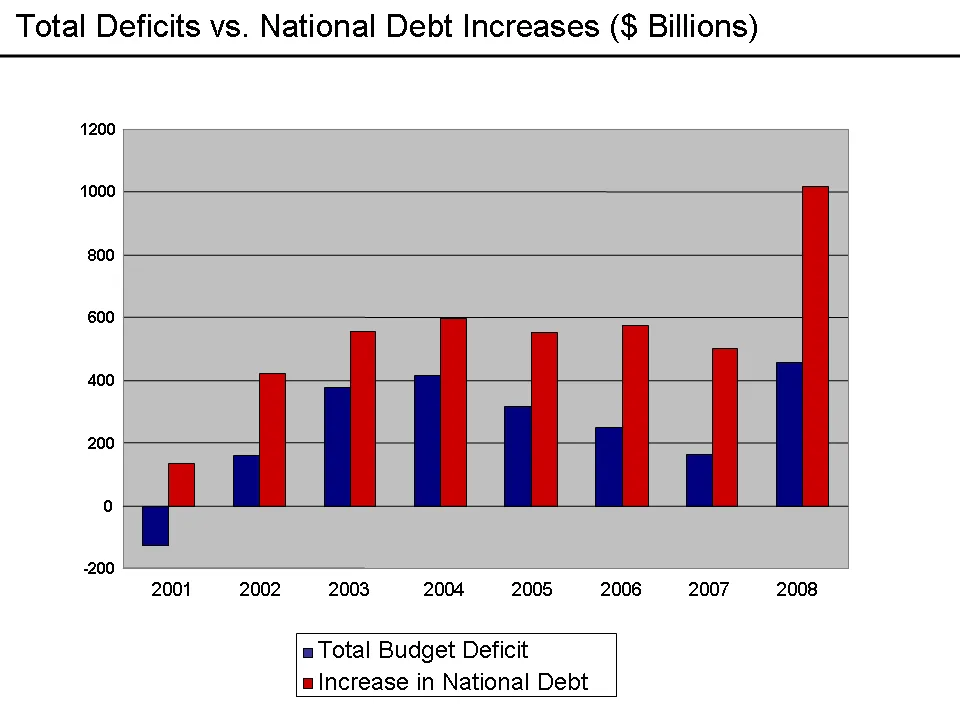
The deficit is a yearly gap between revenue and spending; the debt is the running total owed. Knowing which is which changes how fiscal news reads.
The deficit is a yearly gap between revenue and spending; the debt is the running total owed. Knowing which is which changes how fiscal news reads.
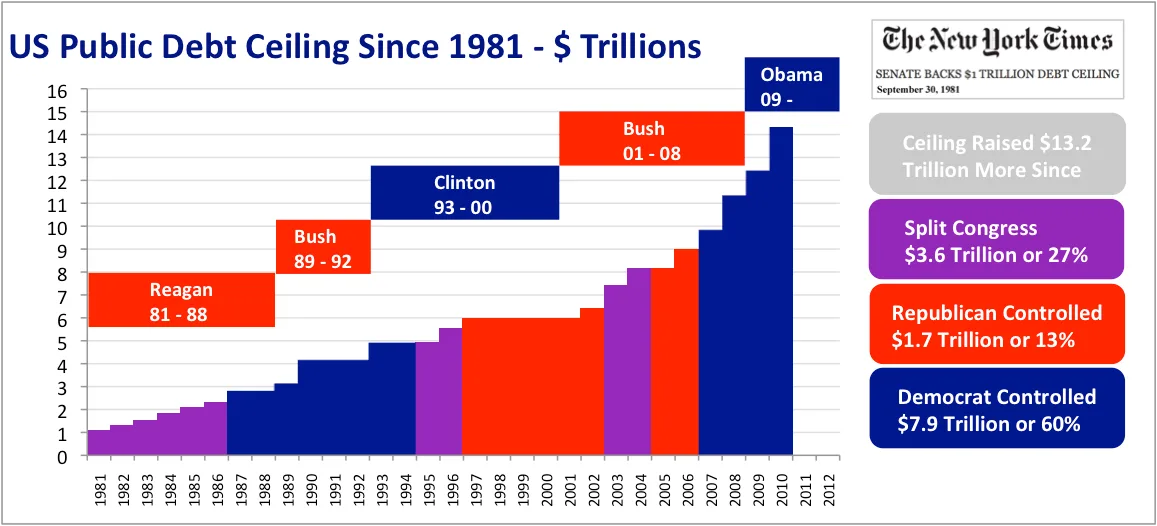
Past debt ceiling standoffs have ended in a plain raise, a temporary suspension, or a rule change. A look at 1953, 2011, and the modern era shows the well-worn exits.
The deficit is the yearly gap between spending and revenue. The debt ceiling is a legal cap on total federal borrowing. Here is how the two differ, and why mixing them up makes every budget standoff harder to follow.

A three-week leadership program is a modest bet by local business groups. The evidence on offer is thin, but the price of trying is low.

What happens to shelves, farms, and factories when trade rules shift, without the slogans.

Framing, burden of proof and rebuttal order do more work than volume ever will.

A global beauty brand sent its top two Americas-facing executives to a design school. The visit says more about how luxury firms build talent pipelines than about any single campus event.

The senator's office lists ten funded projects, from lake repairs to small-business grants, in the AB 113 budget package.

A durable bank of motions, sorted by difficulty, with the strongest case for each side sketched.