Topic
Deficit vs. Debt: What Each Term Means and Why the Difference Matters
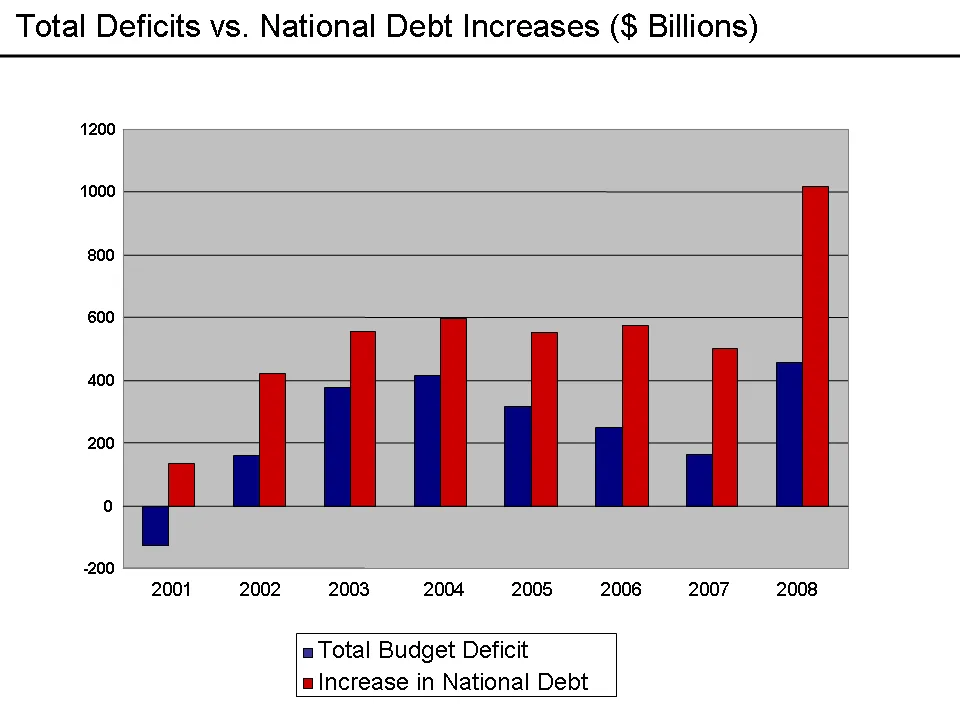
The deficit is a yearly gap between revenue and spending; the debt is the running total owed. Knowing which is which changes how fiscal news reads.
The deficit is a yearly gap between revenue and spending; the debt is the running total owed. Knowing which is which changes how fiscal news reads.
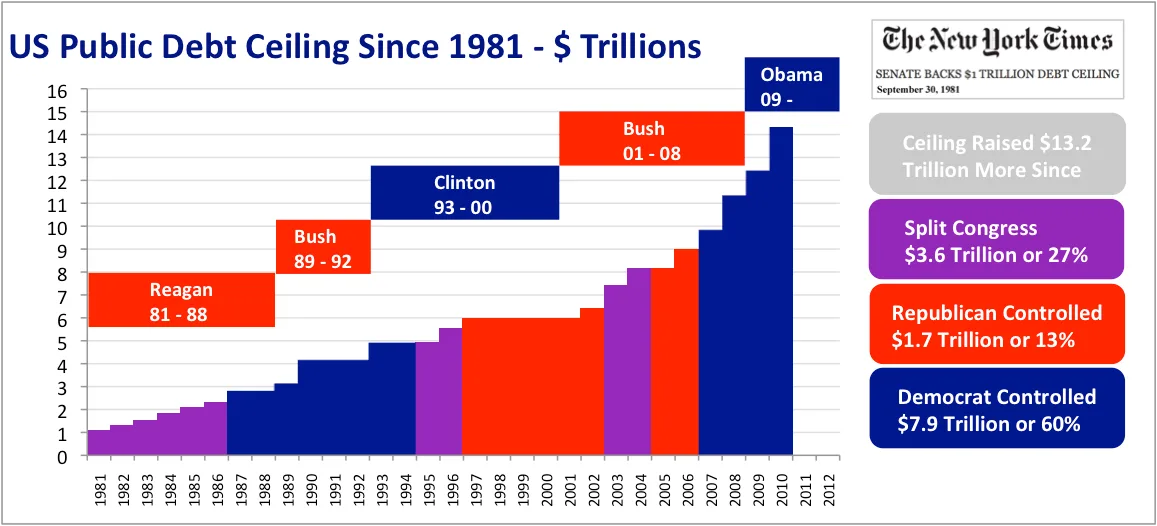
Past debt ceiling standoffs have ended in a plain raise, a temporary suspension, or a rule change. A look at 1953, 2011, and the modern era shows the well-worn exits.
The deficit is the yearly gap between spending and revenue. The debt ceiling is a legal cap on total federal borrowing. Here is how the two differ, and why mixing them up makes every budget standoff harder to follow.

A three-week leadership program is a modest bet by local business groups. The evidence on offer is thin, but the price of trying is low.

What happens to shelves, farms, and factories when trade rules shift, without the slogans.

Framing, loaded verbs and missing context are easier to spot once you know what to look for.

Competitive debate trains argument, listening, and thinking under pressure — the same capacities workplaces test every day.

The word covers more than elections. It is the whole business of deciding together who gets what, and how.

The senator's office lists ten funded projects, from lake repairs to small-business grants, in the AB 113 budget package.