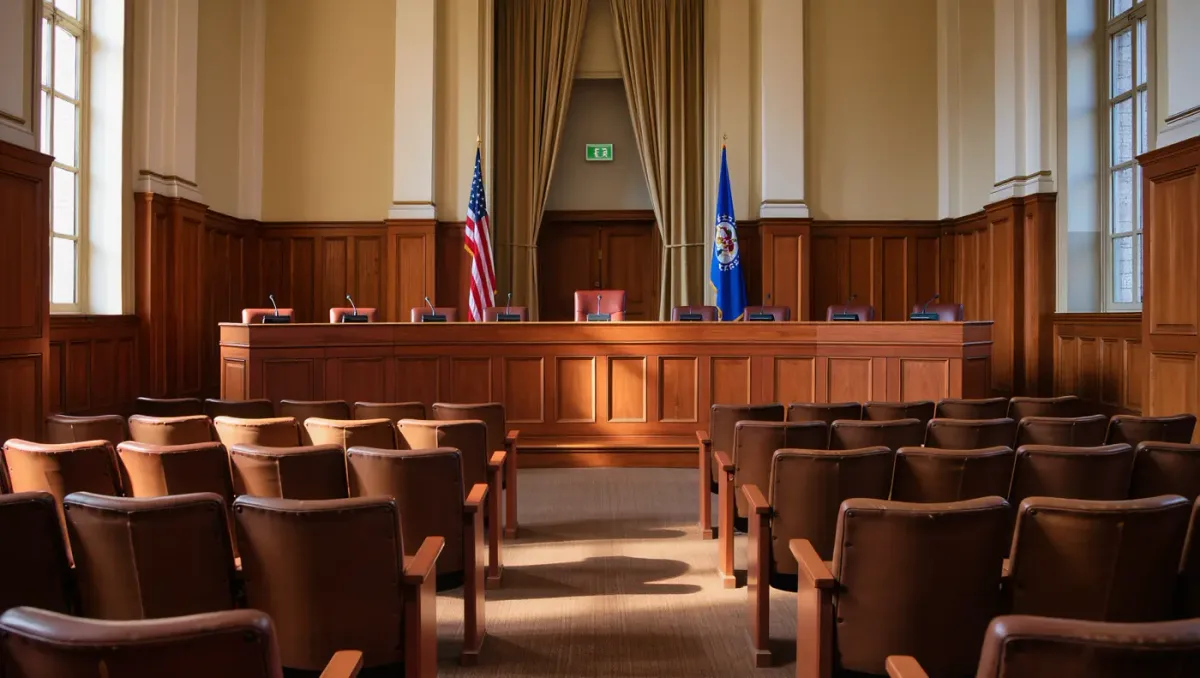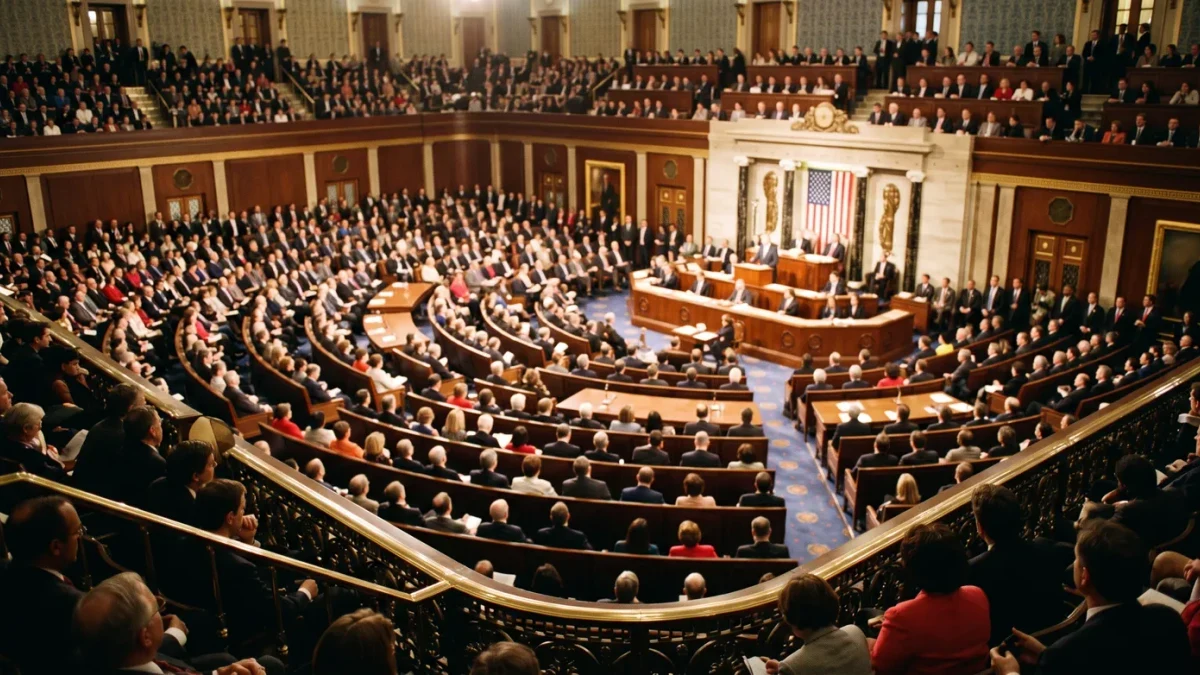
President Donald Trump delivered the 2026 State of the Union address on February 24 before a joint session of Congress, speaking for 1 hour, 47 minutes, and 40 seconds — the longest such address in American history, about 20 minutes beyond Bill Clinton's 2000 record, per the House Historian's office. The speech was the 101st in-person annual message in the country's history, and it arrived in the middle of a funding standoff: the Department of Homeland Security had entered its own partial lapse two days earlier when a two-week stopgap expired on February 14.
What did the address cover?
The president's prepared remarks, released by the White House, centered on the economy, border enforcement, and energy production, and pressed Congress to pass the remainder of the fiscal 2026 appropriations. With the Homeland Security dispute unresolved, the address gave the president a stage to present the enforcement argument while Democrats in the chamber used their response to press their oversight demands — body cameras for enforcement agents and judicial warrants for certain actions — the same provisions at the center of the shutdown talks. Members of both parties invited guests reflecting their competing messages, a practice that has become a regular feature of the annual night.
Why do these addresses keep getting longer?
The constitutional requirement is one sentence long: Article II, Section 3 says the president “shall from time to time give to the Congress information of the state of the union.” George Washington and John Adams delivered the message in person; Thomas Jefferson sent a letter, and written delivery remained the norm until Woodrow Wilson resumed the in-person speech in 1913. Length has grown steadily since — Ronald Reagan's addresses averaged under an hour, and the modern norm had been 60 to 90 minutes with applause pauses. The 2026 address broke the record as teleprompter-era speeches accumulate policy sections, guest recognitions, and ad-libs, per the American Presidency Project's compilation of all past addresses.
What happens next?
The address is a message, not a bill: its policy asks still require Congress to act. The immediate deadline is the Homeland Security lapse, which entered its second week as enforcement-side programs continued under prior funding while non-essential DHS functions operated under contingency plans. Democratic leaders said after the speech they would keep negotiating the oversight provisions; Republican leaders repeated their position that a full-year funding bill should move without policy riders. The next procedural steps were the weekly pro forma sessions and a scheduled reconvening after the February district work period.
LMH News publishes information, not political advice. Facts are drawn from the White House release, the House Historian's office, and each party's on-record statements.