A Pennsylvania federal judge on Tuesday paused the property dispute in which Gov. Josh Shapiro and his Montgomery County neighbors are fighting over the ownership of a strip of land between their homes, according to Law360. The procedural word for the pause is a stay. Nothing in the dispute has been decided; the case is on hold.
That distinction matters more than it may look. A stay is not a ruling on who owns the land. It is a scheduling decision, and it can be lifted as easily as it was entered. What the order tells us is that the judge wants the case to wait. What it does not tell us is why, or for how long — the available reporting does not say.
For readers who follow politics mainly through budgets and bills, a boundary fight between a governor and his neighbors can seem like small change. It is worth understanding anyway, because the machinery — a stay, a dispute over land ownership, a federal court docket — is the same machinery that runs far larger cases. Here is what each piece means.
What exactly is the dispute about?
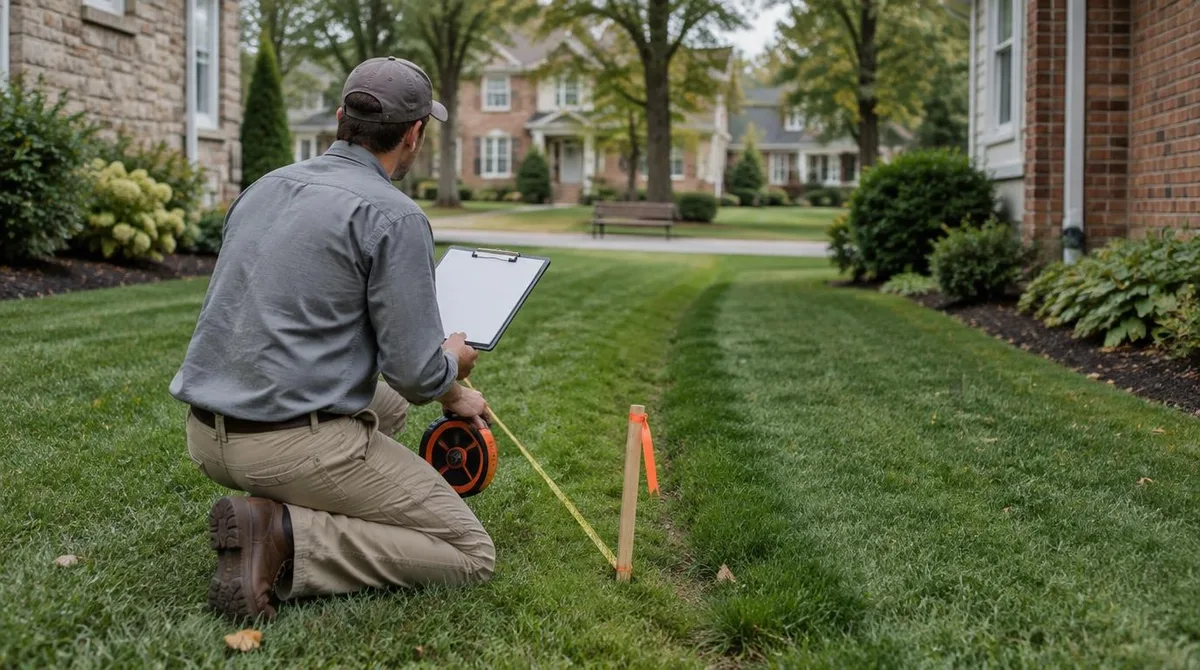
The subject is a strip of land between Shapiro's home and the homes of his neighbors in Montgomery County. Both sides claim ownership of it, per Law360's report of the case. That is the entire known subject matter: an ownership dispute over a narrow parcel of land between properties. Readers following this should also see Should Supreme Court Justices Have Term Limits? Both Sides' Best Case.
Boundary disputes like this are among the oldest forms of litigation. Two deeds, one strip of ground, and a question of where one property ends and the other begins. The facts available here do not include the size of the strip, the deeds involved, or the legal theories either side is advancing. Those details would come from the filings, and the filings are not in the supplied record.
What does a stay actually do?
A stay halts the case temporarily. Deadlines stop. Hearings come off the calendar. The parties do not have to advance their arguments while the stay is in place. In law, it is one of the most common tools a judge has, and one of the least dramatic: it changes the clock, not the outcome.
Stays are entered for many reasons — to await a ruling in a related case, to give parties time to settle, to let an appeals court weigh in on a threshold question. The available reporting does not state the judge's reason for this stay, so no reason can be reported here. That is a gap, not a mystery to be filled in with speculation.
Why is a governor's property fight in federal court?
Property disputes between private neighbors ordinarily live in state court. Why this one sits on a federal docket is not explained in the available reporting, and the answer matters: federal jurisdiction requires a distinct legal basis, and the basis here is not stated in the record at hand.
What can be said is structural. A sitting governor is a party, which raises the visibility of an otherwise ordinary land disagreement and puts the case under a brighter light than most boundary fights ever receive. It also means the case will be read, fairly or not, as a story about the person rather than the parcel. The disciplined reading is the reverse: the docket is about a strip of land, and the governor is a litigant in it.
Who benefits from the pause?
The useful question in any procedural move is cui bono — who gains, and in which quarter. A stay can favor either side. It can relieve a party that wants time, or pressure one that wants speed. Without the judge's stated reason and without the parties' positions on record, there is no basis to say which side the pause helps. Both readings remain open.
That is the honest state of the story. The dispute exists. It involves a governor and his Montgomery County neighbors. It concerns a strip of land between their homes. It has been stayed by a federal judge. Everything beyond those points — the merits, the motives, the endgame — awaits the filings and the next order.
What happens next?
A stay ends when the judge lifts it, and the case then resumes on its merits. Until then, the procedural posture is exactly this: motion practice paused, ownership unresolved, no ruling issued. Readers tracking the case should watch for the order explaining the stay and for any filing that reveals the jurisdictional basis. Those two documents would turn this from a headline into a story. This connects to our earlier piece, Should the Federal Reserve Be Audited — or Ended? Both Sides' Best Case.