Law
How the FOIA Process Works — and Its Nine Exemptions
The Freedom of Information Act gives anyone the right to request federal agency records — with a response deadline of 20 business days and nine carve-outs.
Aleksandr Komarov · May 20, 2026
Law covers judgments, statutes and enforcement actions with attention to their operative effect: the parties bound, the date of application, the reasoning available for appeal and the precedent set. Areas include administrative, competition, employment and constitutional questions touching economic activity. Written for lawyers and for non-lawyers who must comply.
The Freedom of Information Act gives anyone the right to request federal agency records — with a response deadline of 20 business days and nine carve-outs.
Aleksandr Komarov · May 20, 2026The guidelines compute a recommended range from offense severity and criminal history — advisory since 2005, but still the anchor of nearly every federal sentence.
Valentina Sokolov · April 27, 2026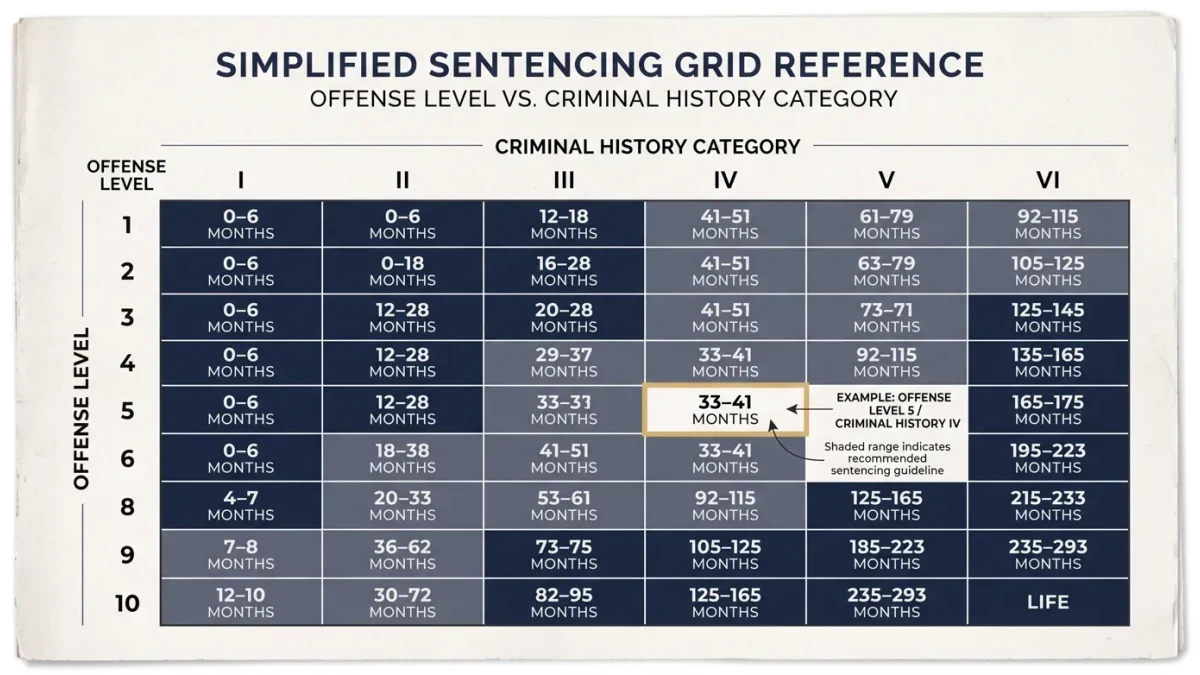
Qualified immunity shields government officials from damages lawsuits unless they violated clearly established law — the most contested doctrine in police litigation.
Aleksandr Komarov · April 5, 2026
Before any class action can proceed, a judge must certify that the case meets Rule 23's requirements — the fight that decides most class litigation.
Aleksandr Komarov · March 8, 2026
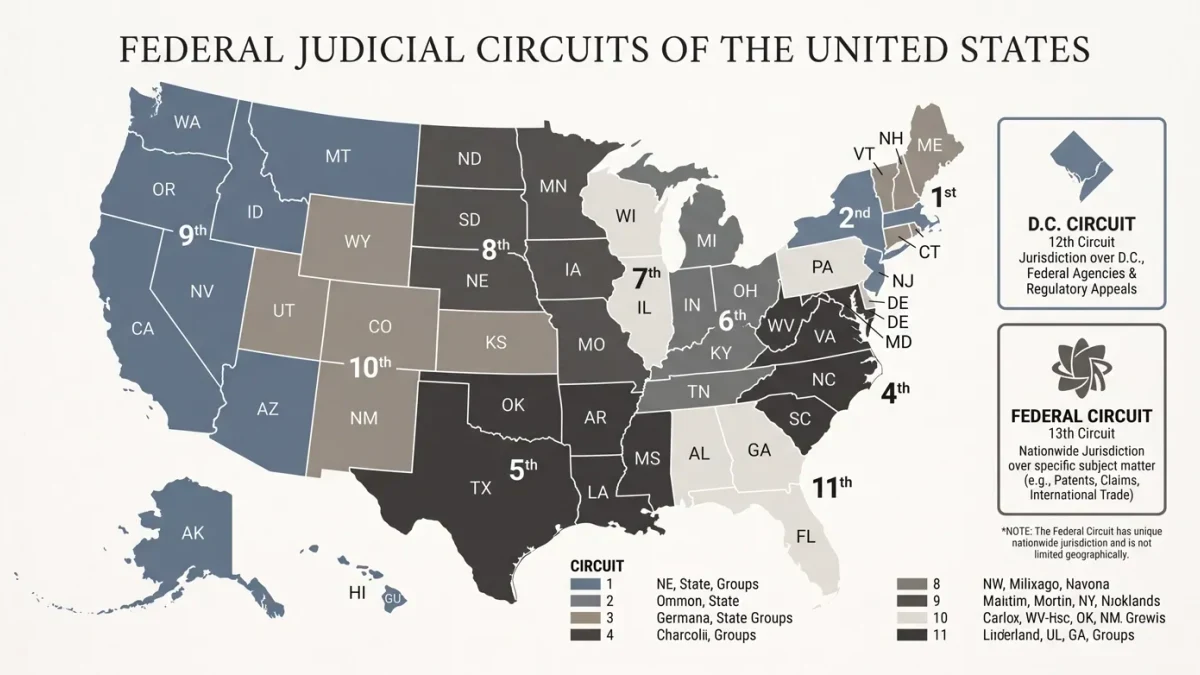
The 13 federal circuit courts decide about 45,000 appeals a year, and their regional structure is why the same federal law can mean different things in California and Texas.
Aleksandr Komarov · January 31, 2026