Politics examines how power is won and constrained: election results and the coalitions they permit, party discipline, the arithmetic of a working majority, and the bargaining that precedes any significant vote. Analysis explains why an outcome was available rather than predicting the next one. Written for readers following government as a system.
Politics examines how power is won and constrained: election results and the coalitions they permit, party discipline, the arithmetic of a working majority, and the bargaining that precedes any significant vote. Analysis explains why an outcome was available rather than predicting the next one. Written for readers following government as a system.
A look at how continuing resolutions work, why lawmakers rely on them almost every year, and what happens when one is not passed by the fiscal deadline.
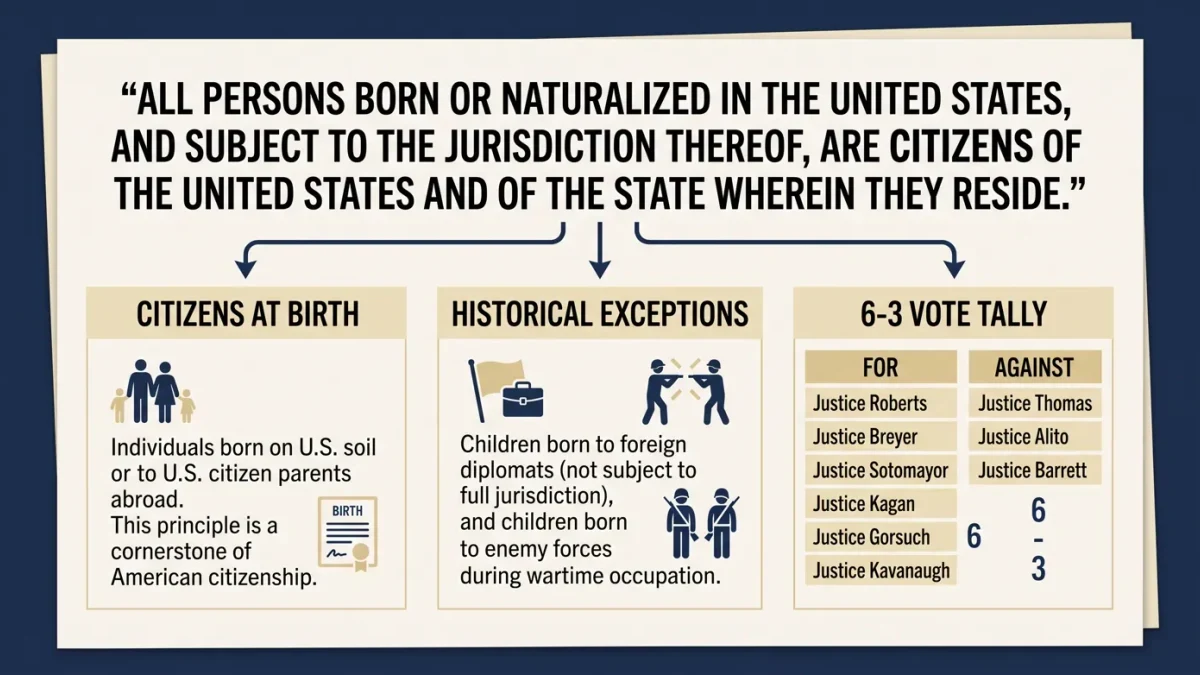
The Court ruled 6–3 on June 30 that children born on U.S. soil to parents unlawfully or temporarily present are citizens under the Fourteenth Amendment.
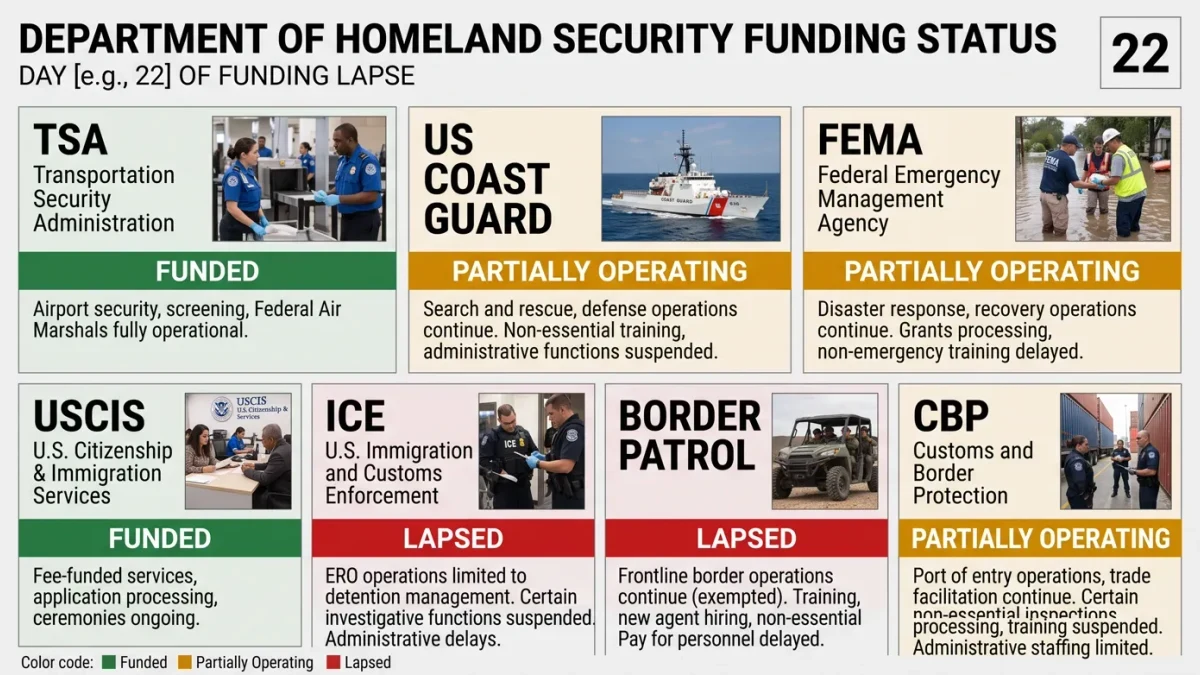
The House passed a Senate bill funding every DHS component except ICE and Border Patrol by voice vote on April 30, and the president signed it the same day.
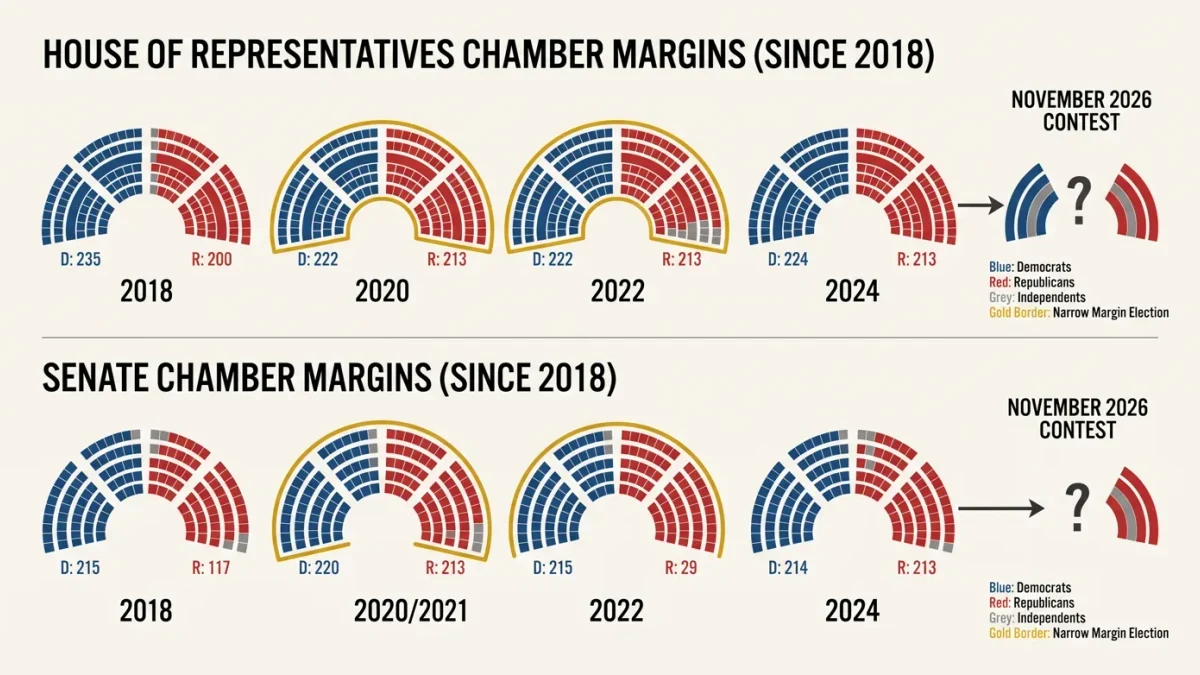
Committee gavels, subpoenas, the Senate's confirmation calendar, and the fate of every bill run through the majority — which is why both parties treat midterms as existential.
The Homeland Security funding lapse that began February 14 reached its second month with Democrats demanding enforcement reforms and Republicans refusing riders.